專題講座 — 香港特區公務員的變與不變

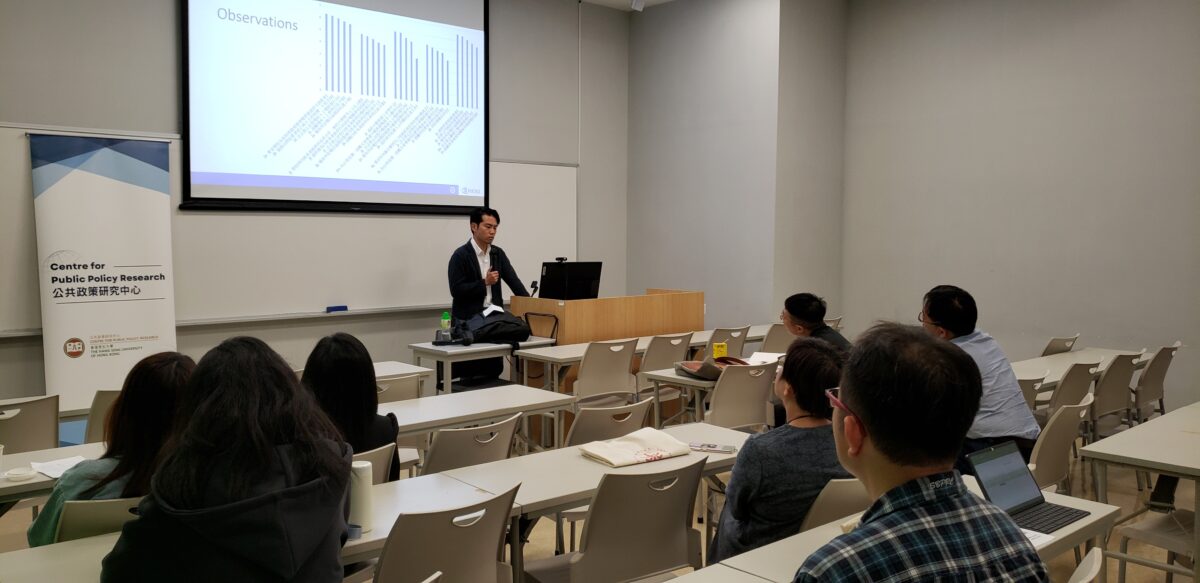
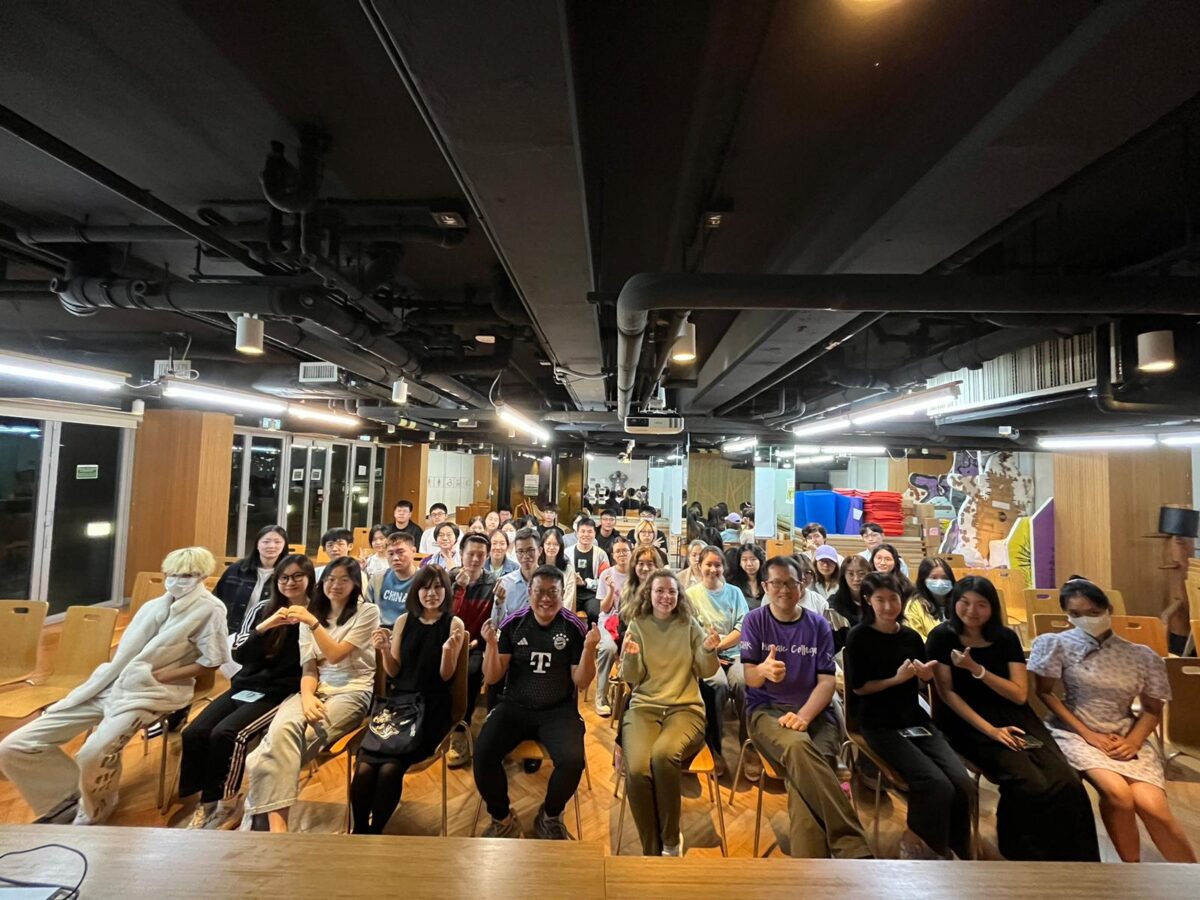
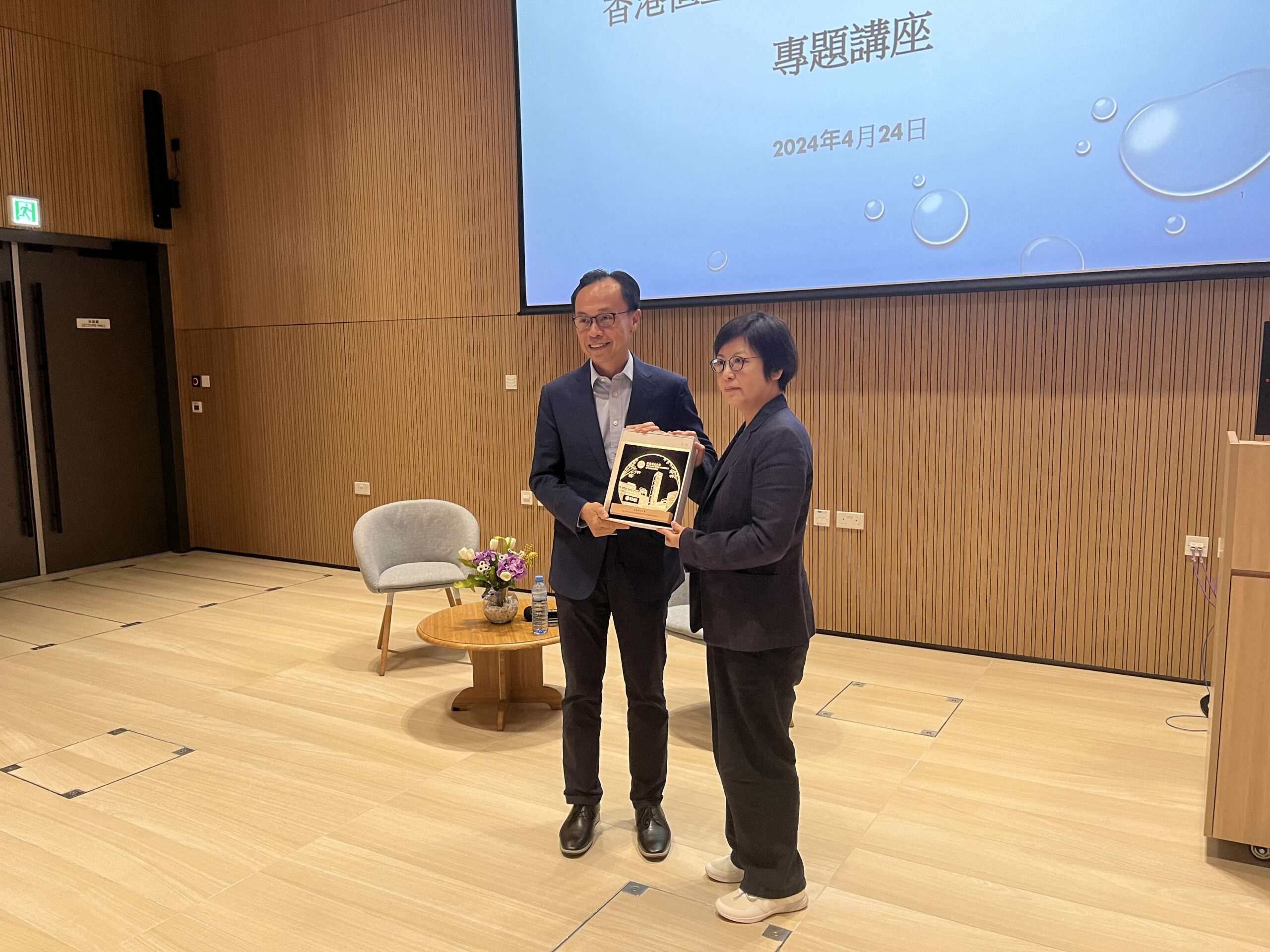
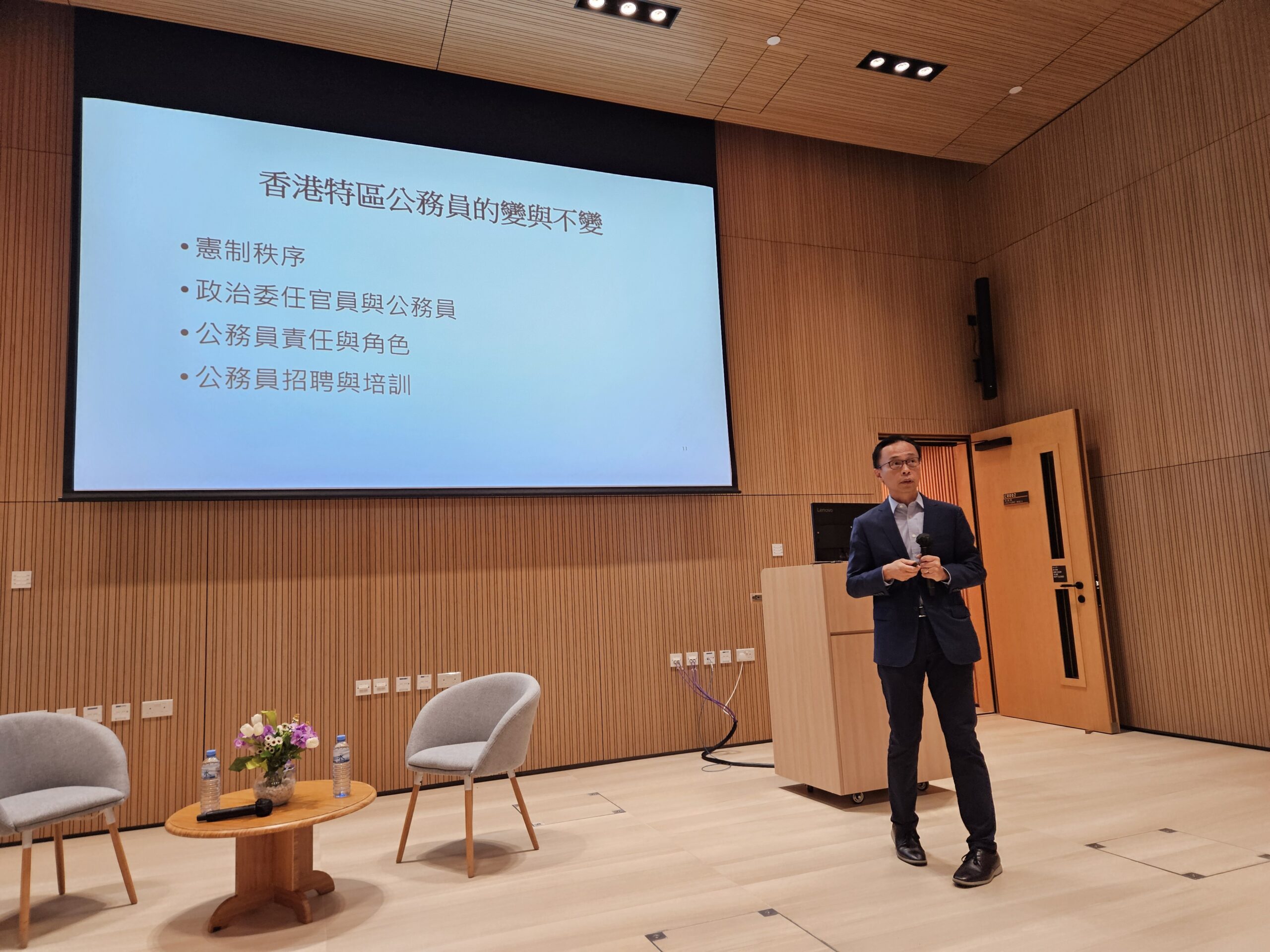
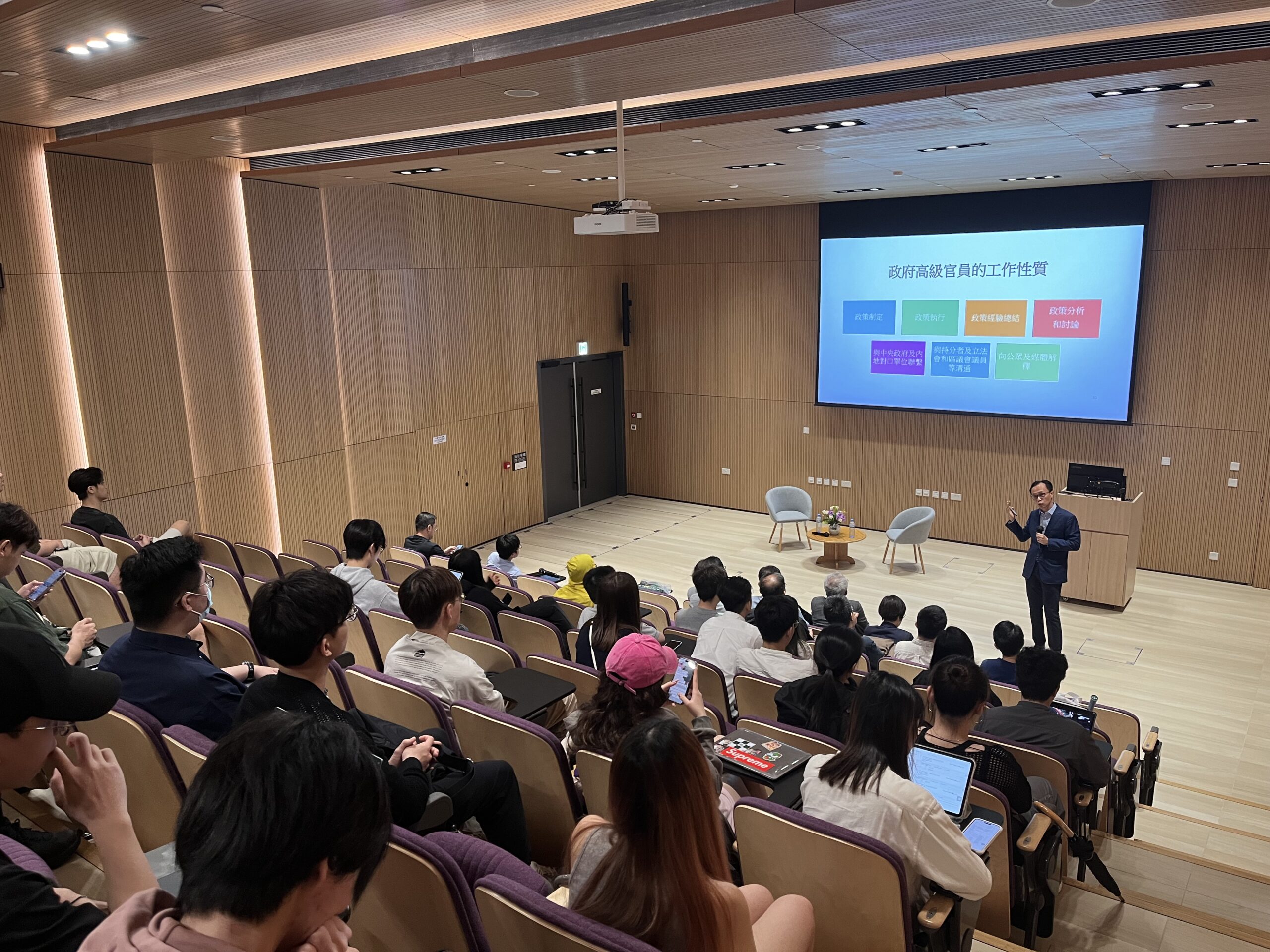
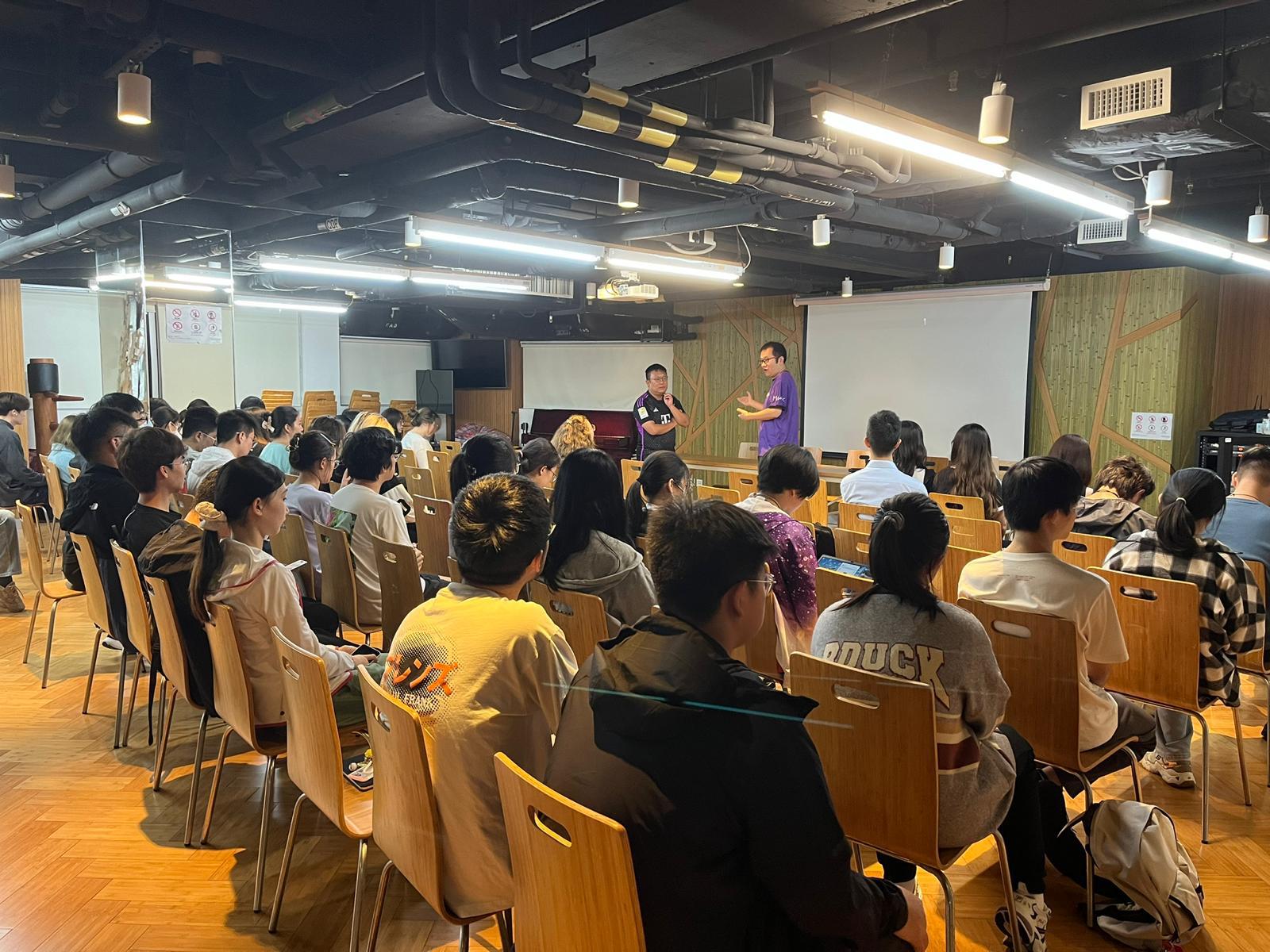
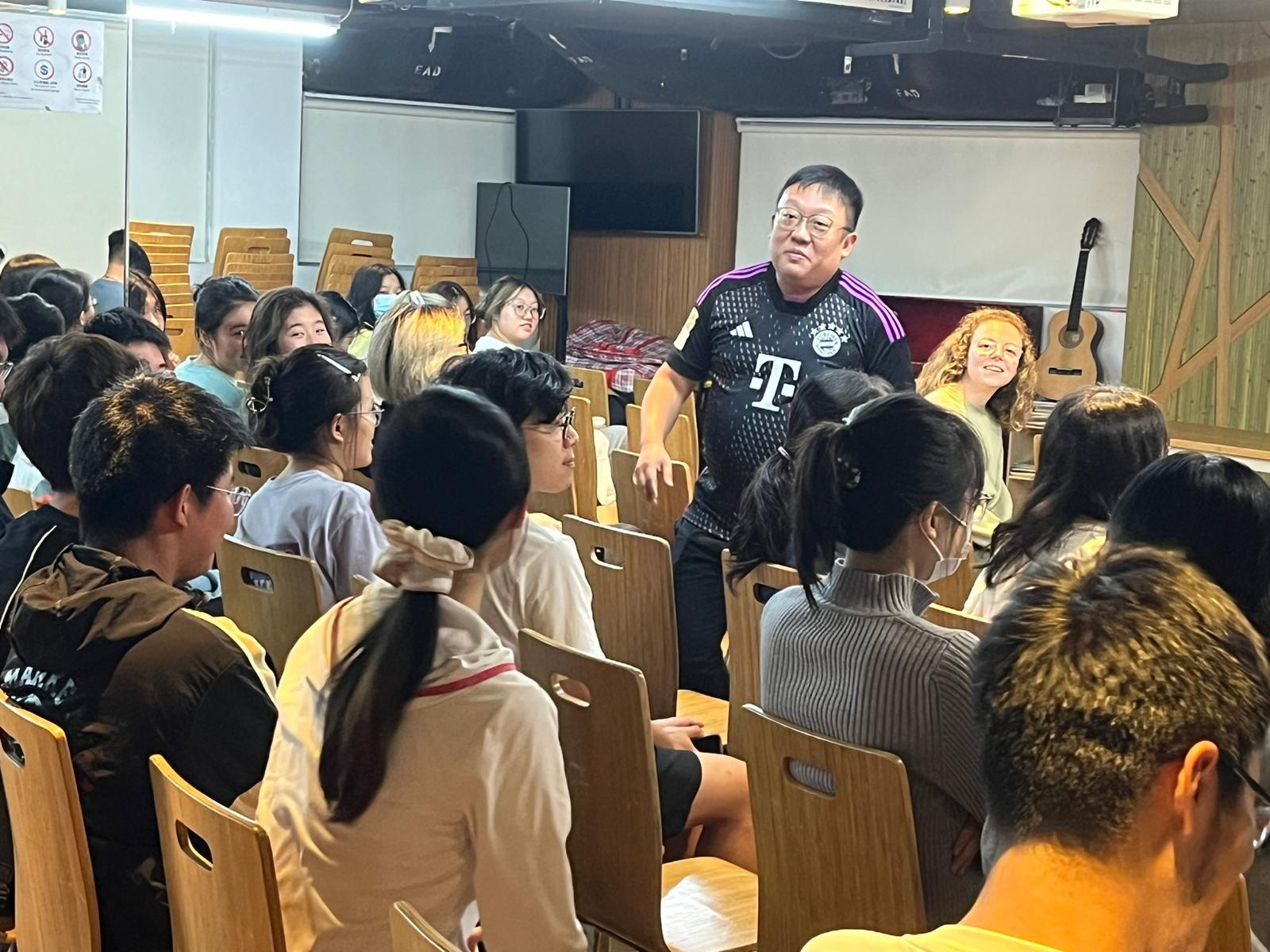
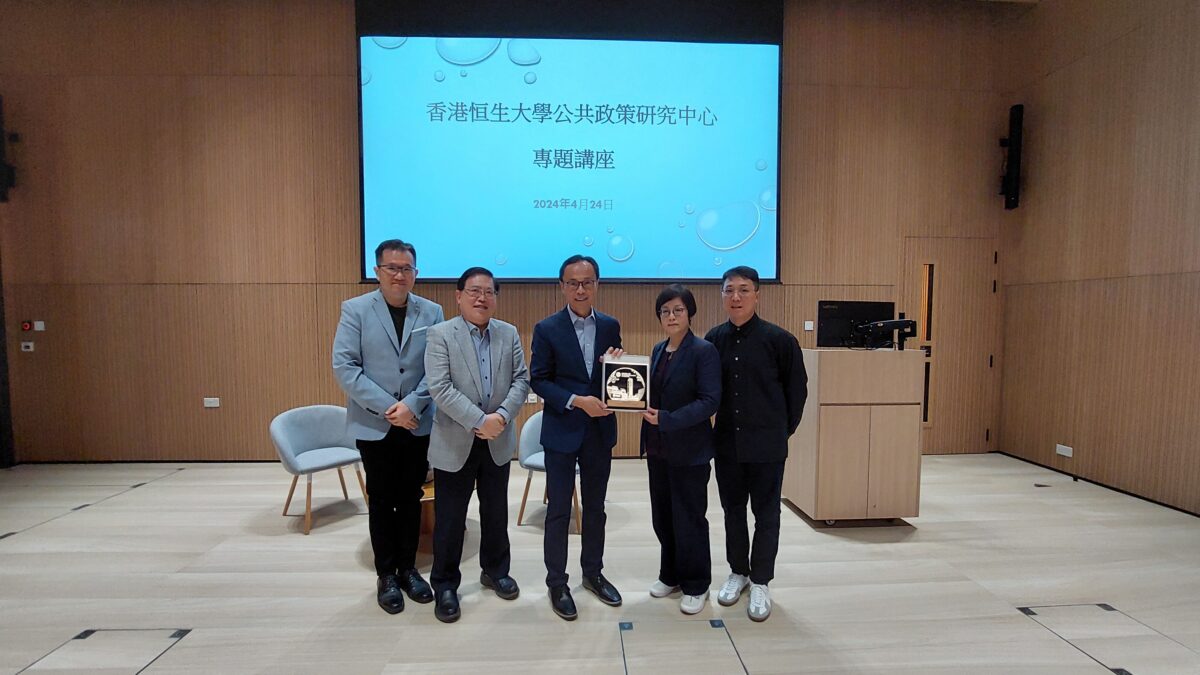
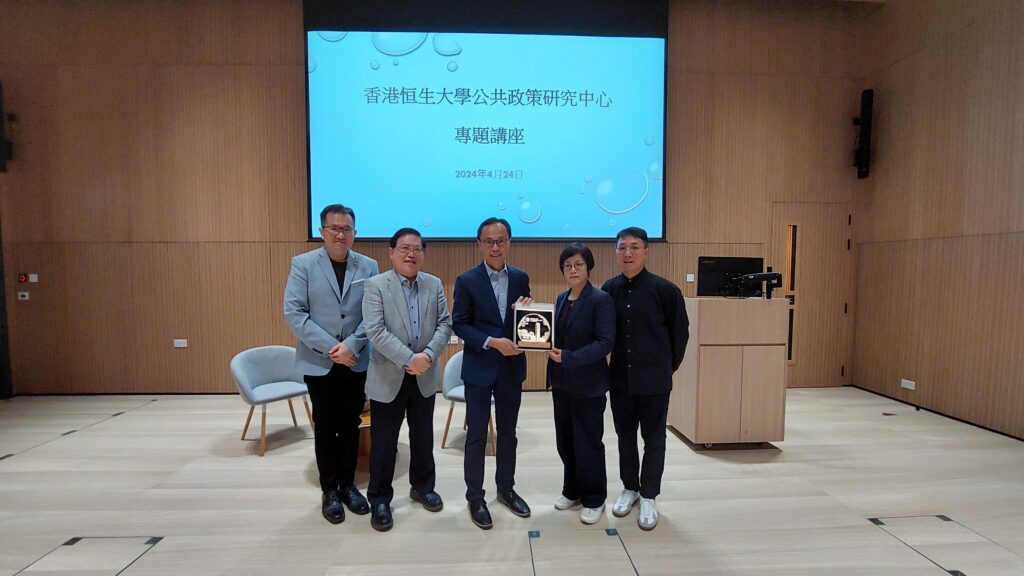
Professor Patrick Nip, the former Secretary for Civil Service, delivered a presentation entitled “The Change and Unchange of Civil Servants of HKSAR” (香港特區公務員的變與不變).


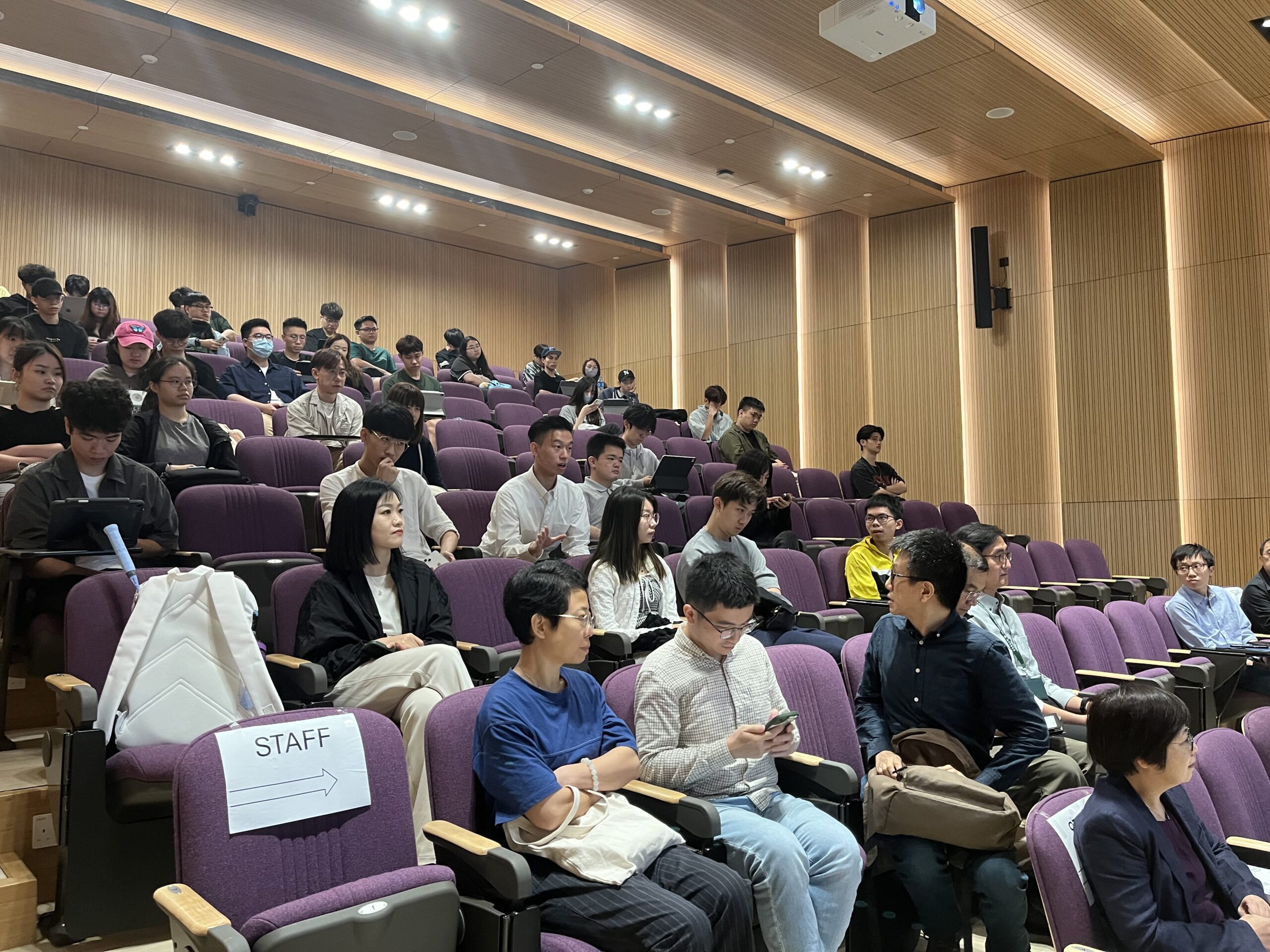
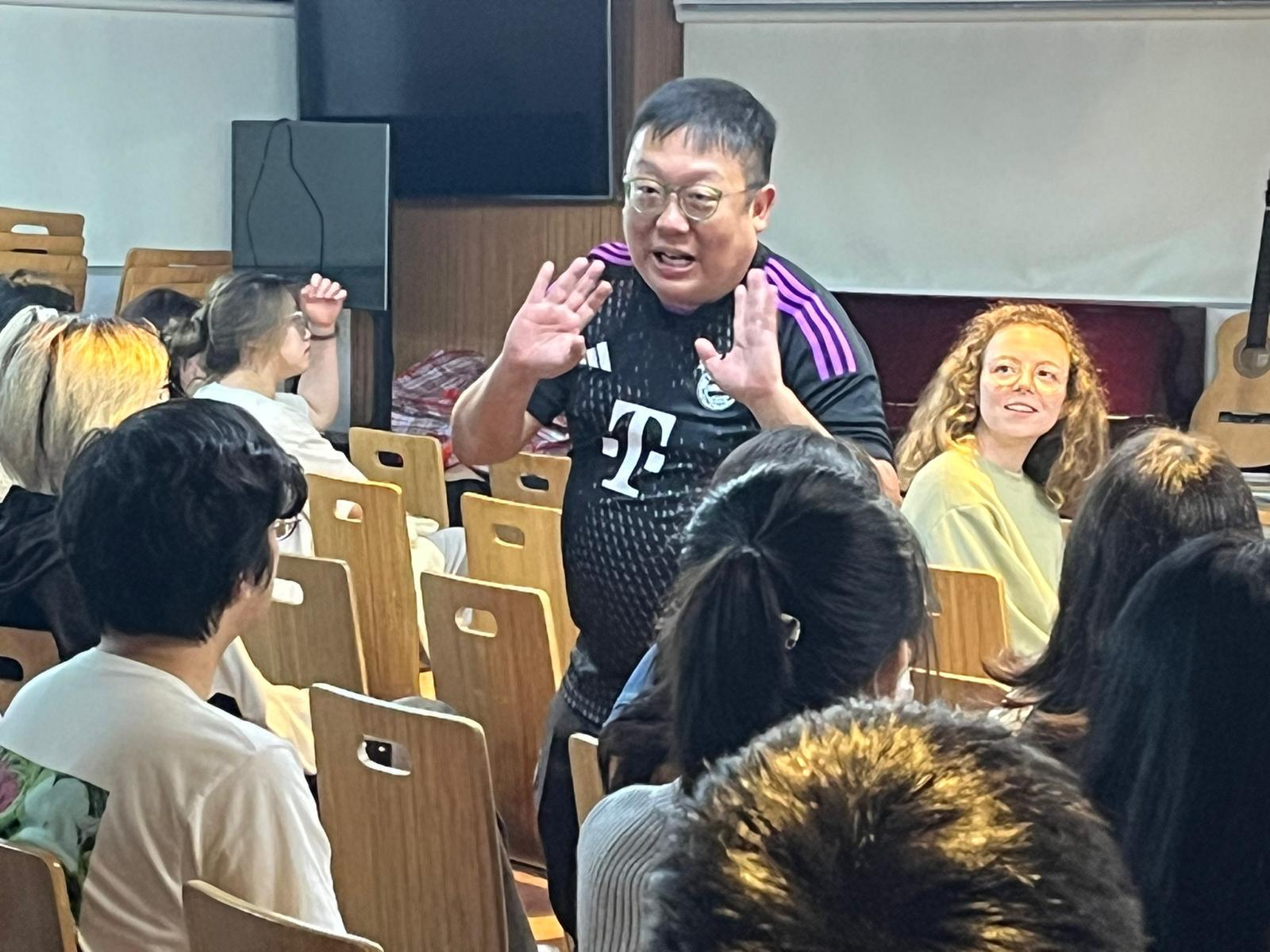
He reviewed how Hong Kong’s civil servants have dealt with various challenges arising from shifting public demands and the changing dynamics between Mainland China and HKSAR. The audience displayed great enthusiasm, seeking Professor Nip’s perspectives and exchanging opinions about Hong Kong civil service.
Symposium – Transforming East Asian Welfare States Post-COVID-19

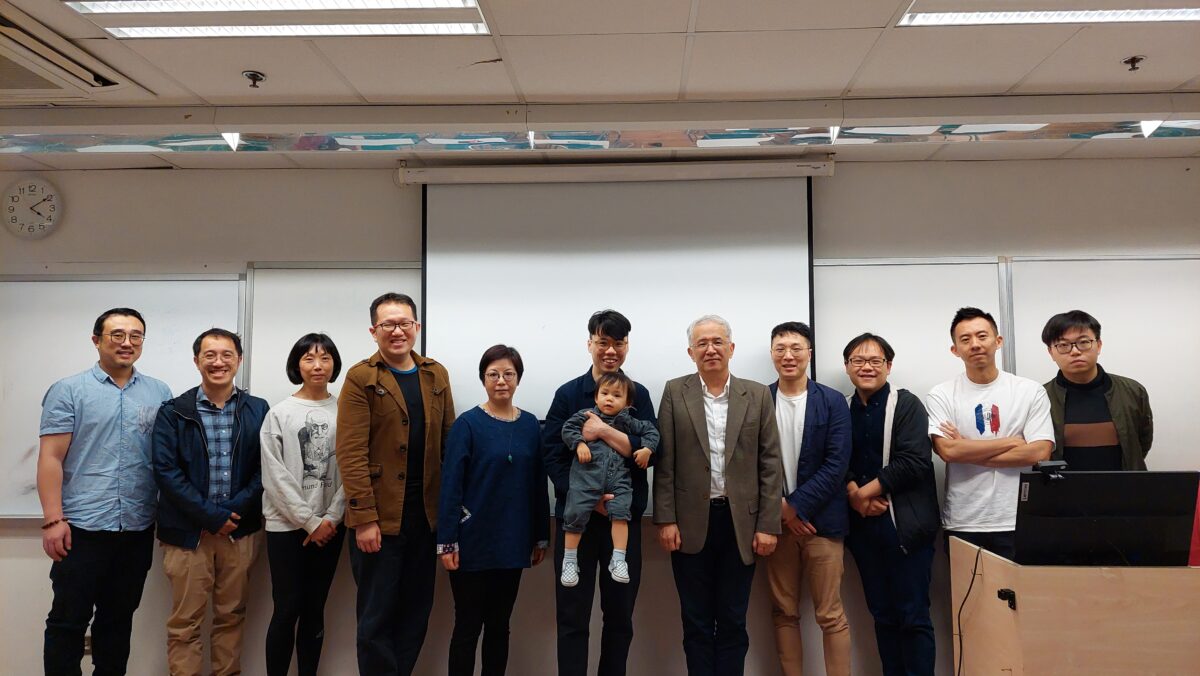
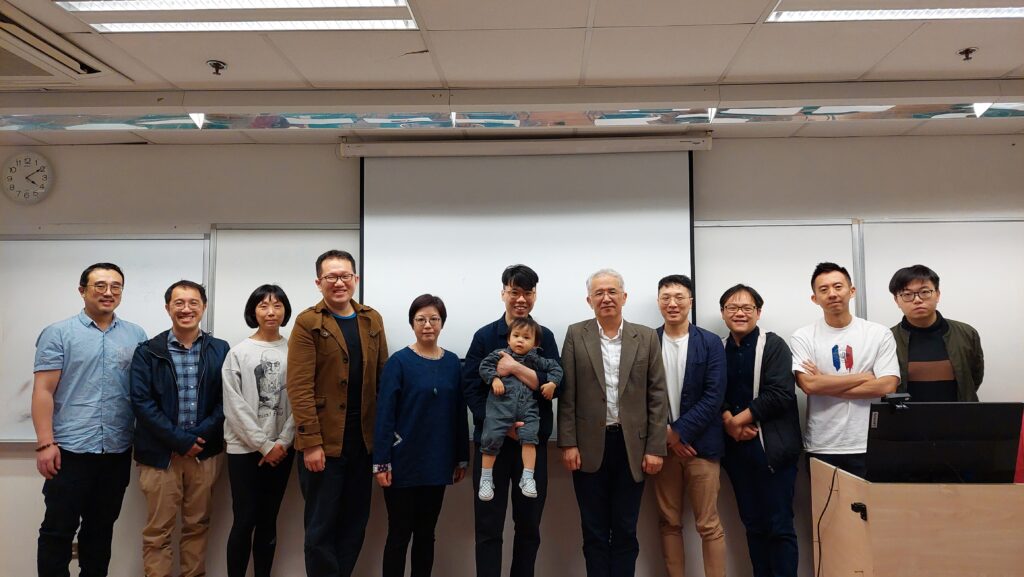
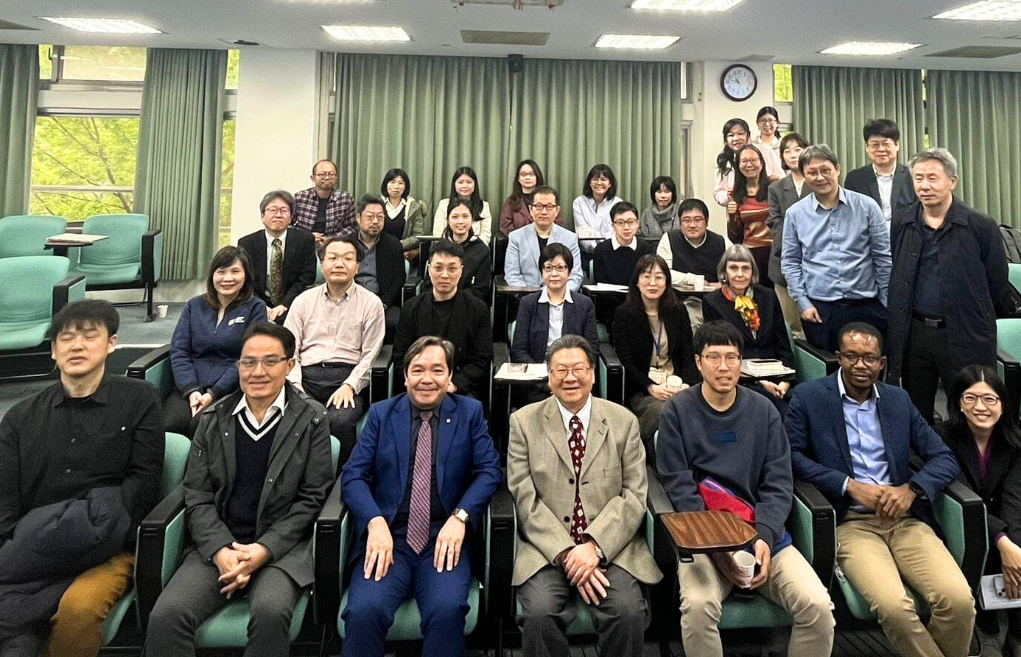
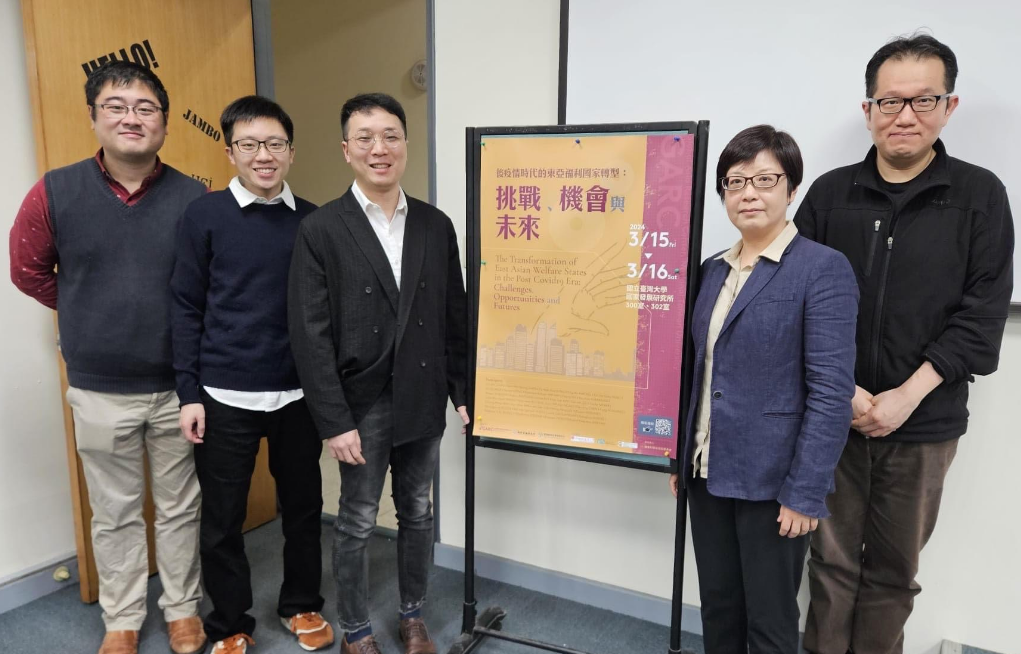
In collaboration with Lingnan University and National Taiwan University (NTU), The Centre for Public Policy Research (CPPR) of HSUHK co-organized a symposium titled “The Transformation of East Asian Welfare States in the Post COVID 19 Era: Challenges, Opportunities and Futures.” The event took place at NTU in Taipei and brought together speakers and participants from Hong Kong, Mainland China, Japan, Korea, Taiwan, and the United Kingdom. Over the course of two days, the symposium delved into various issues related to East Asian welfare states.


Professor Ka-Ho Mok from Lingnan University delivered a keynote speech at the symposium, exploring the topic of “Managing the rise of older adults in Hong Kong: Towards a community-based integrated care and health approach in the post-COVID-19 crisis era.” Professor Mok’s presentation examined the quest for a new social governance model to support the growing elderly population in Hong Kong.


Members of our CPPR presented papers focusing on different subjects during the symposium. Dr Chi-Kit Chan shared insights into media narratives surrounding the post-COVID Chinese economy, while Dr. Rami Chan discussed the motivations behind emigration in the post-COVID period. Dr Ying-Ho Kwong compared the utilisation of contact tracing technology in several Asian countries during the COVID-19 pandemic. Additionally, Dr Gary Tang and Dr Eva Hung presented a paper addressing the impact of people’s perception of work precarity on their neoliberal orientation.


Furthermore, the symposium marked the launch of the Inter-university Consortium for Social Change, Wellbeing, and Social Policy Studies, jointly established by HSUHK, Lingnan University, and NTU. The Consortium aims to promote regional and international comparative research on social development and social policy in East Asia. It offers an open platform for academics and researchers to engage in research, symposia, conferences, student and staff exchanges, and collaborative research projects. Core partners of the Consortium include Sun Yat Sen University, University of New South Wales, and National Chung Cheng University. The Consortium welcomes participation from other institutions in East Asia and plans to host the next symposium in Hong Kong.

Public Support for Social Inclusion Policies

On 19 May 2026, the Centre for Public Policy Research (CPPR) of HSUHK held a press conference and a public seminar on the project “A Multifaceted Analysis of Strengthening Stage-specific Support System for Youth Micro-entrepreneurship in Hong Kong”.


This government‑funded project (Project No.: 2024.B12.009.24D) examined the stage‑specific needs, challenges, and support systems for youth micro‑entrepreneurs in Hong Kong. Using large‑scale survey data and in‑depth qualitative interviews, the study provided evidence‑based recommendations to strengthen the entrepreneurial ecosystem across different business phases – from ideation to growth. The press conference was delivered by Principal Investigator Dr Victor C.M. Chan (Fellow, CPPR), who presented the major policy implications and responded to media questions.

Following the press conference, a public seminar was held to allow for deeper discussion of the research methodology, survey findings, and practical recommendations. The seminar speakers included Dr Victor C.M. Chan, Dr Eva Hung, and Dr Thomas W.Y. Man (Chief Education Officer, Chinese YMCA of Hong Kong). Mr Ernest Ng (Unit-in-charge, Youth Research Centre, The Hong Kong Federation of Youth Groups) served as the discussant. The event attracted lively engagement among participants from academia, policy bodies, and youth service organisations.

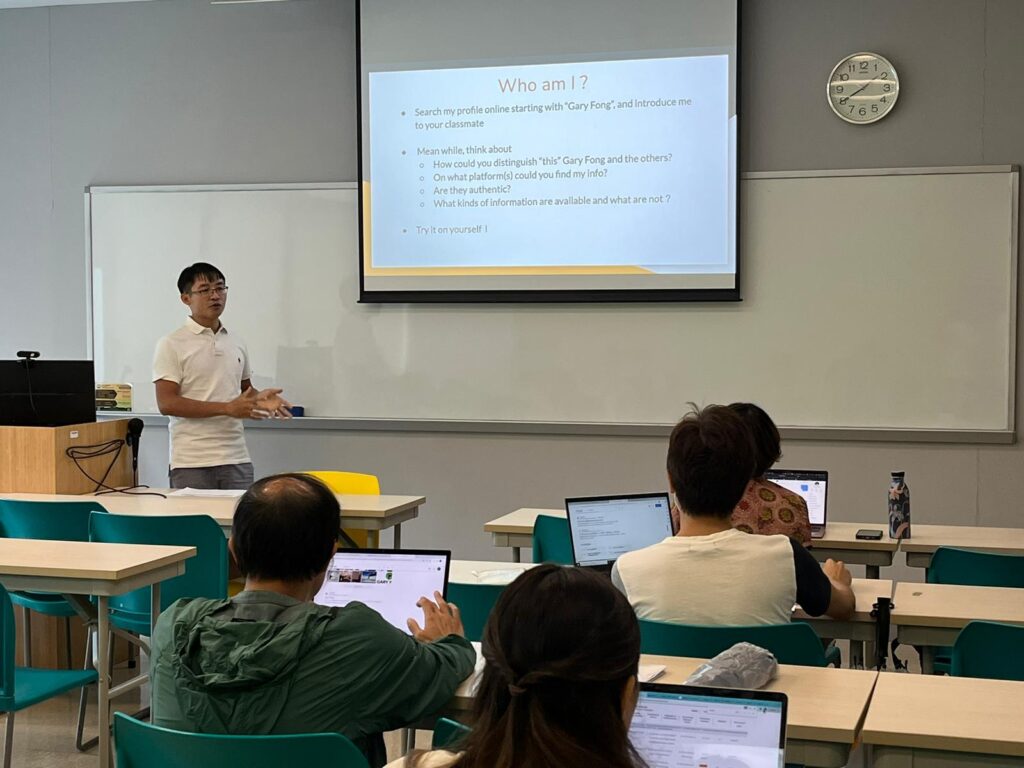
Intensive course – Introduction to Social Data Analytics for Public Affairs with R

On 19 May 2026, the Centre for Public Policy Research (CPPR) of HSUHK held a press conference and a public seminar on the project “A Multifaceted Analysis of Strengthening Stage-specific Support System for Youth Micro-entrepreneurship in Hong Kong”.


This government‑funded project (Project No.: 2024.B12.009.24D) examined the stage‑specific needs, challenges, and support systems for youth micro‑entrepreneurs in Hong Kong. Using large‑scale survey data and in‑depth qualitative interviews, the study provided evidence‑based recommendations to strengthen the entrepreneurial ecosystem across different business phases – from ideation to growth. The press conference was delivered by Principal Investigator Dr Victor C.M. Chan (Fellow, CPPR), who presented the major policy implications and responded to media questions.

Following the press conference, a public seminar was held to allow for deeper discussion of the research methodology, survey findings, and practical recommendations. The seminar speakers included Dr Victor C.M. Chan, Dr Eva Hung, and Dr Thomas W.Y. Man (Chief Education Officer, Chinese YMCA of Hong Kong). Mr Ernest Ng (Unit-in-charge, Youth Research Centre, The Hong Kong Federation of Youth Groups) served as the discussant. The event attracted lively engagement among participants from academia, policy bodies, and youth service organisations.

Mosaic Cultural Talk – SDGs as Global Language

On 19 May 2026, the Centre for Public Policy Research (CPPR) of HSUHK held a press conference and a public seminar on the project “A Multifaceted Analysis of Strengthening Stage-specific Support System for Youth Micro-entrepreneurship in Hong Kong”.


This government‑funded project (Project No.: 2024.B12.009.24D) examined the stage‑specific needs, challenges, and support systems for youth micro‑entrepreneurs in Hong Kong. Using large‑scale survey data and in‑depth qualitative interviews, the study provided evidence‑based recommendations to strengthen the entrepreneurial ecosystem across different business phases – from ideation to growth. The press conference was delivered by Principal Investigator Dr Victor C.M. Chan (Fellow, CPPR), who presented the major policy implications and responded to media questions.

Following the press conference, a public seminar was held to allow for deeper discussion of the research methodology, survey findings, and practical recommendations. The seminar speakers included Dr Victor C.M. Chan, Dr Eva Hung, and Dr Thomas W.Y. Man (Chief Education Officer, Chinese YMCA of Hong Kong). Mr Ernest Ng (Unit-in-charge, Youth Research Centre, The Hong Kong Federation of Youth Groups) served as the discussant. The event attracted lively engagement among participants from academia, policy bodies, and youth service organisations.

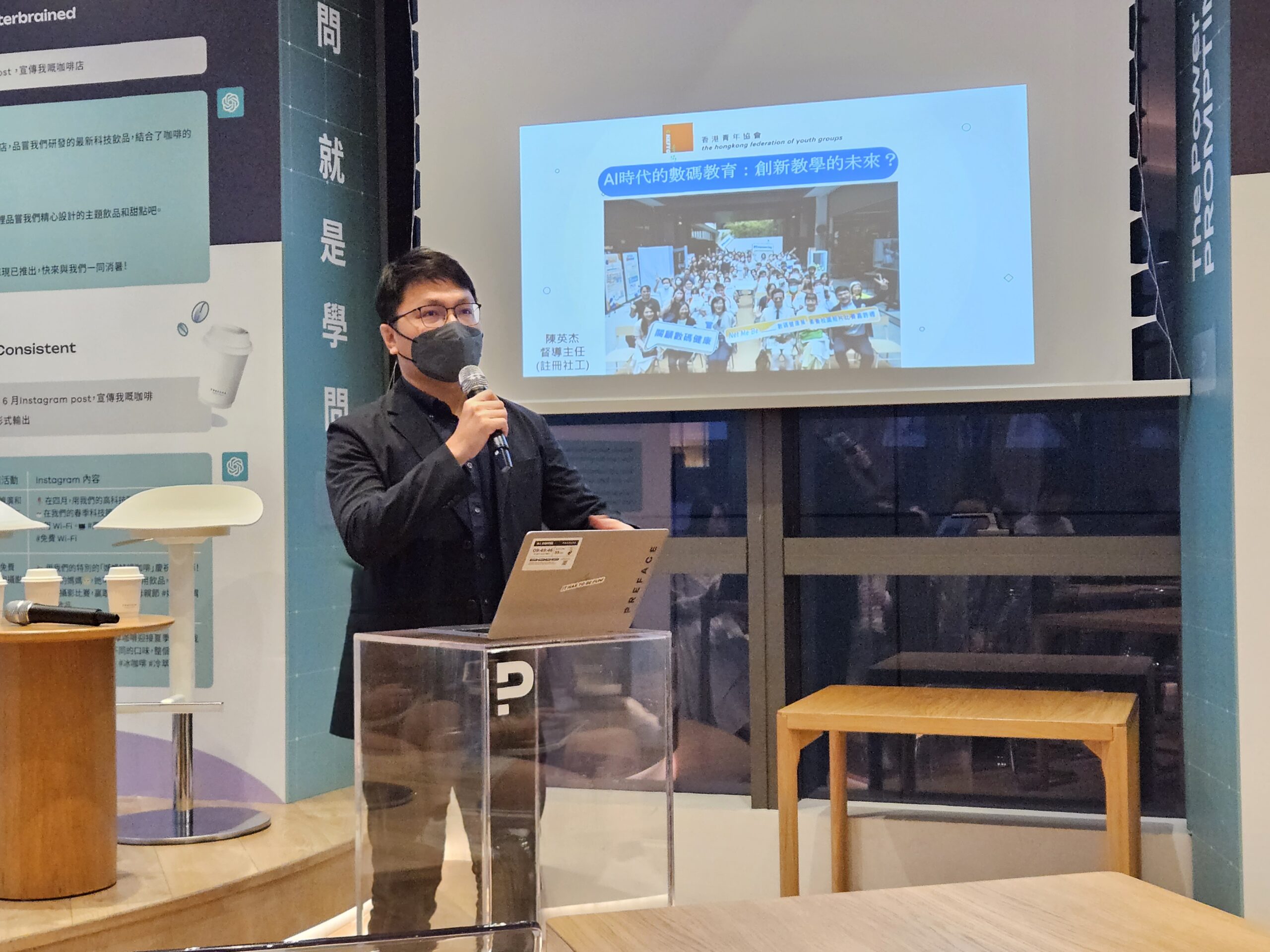
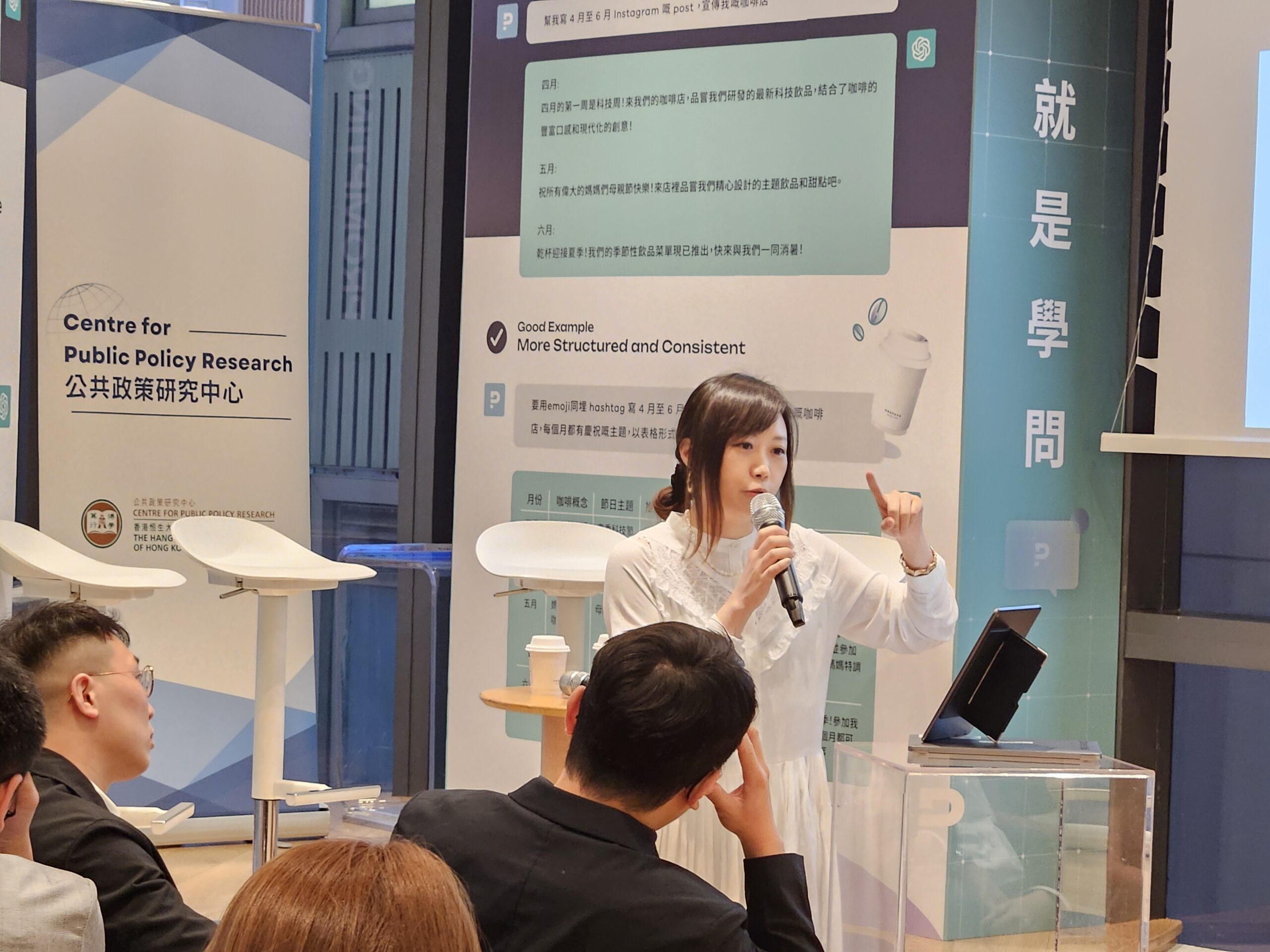
Seminar on Digital Education in the AI Era: The Future of Innovative Teaching?

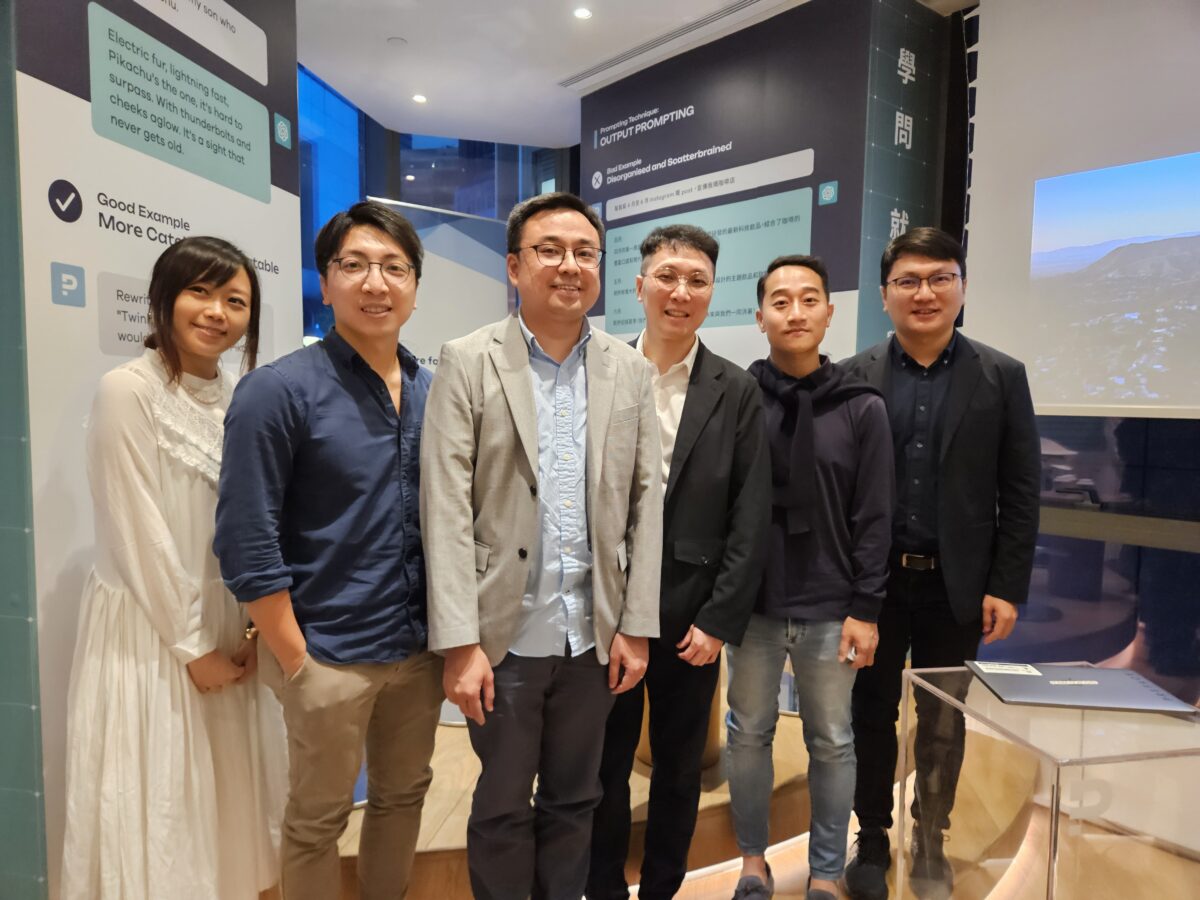
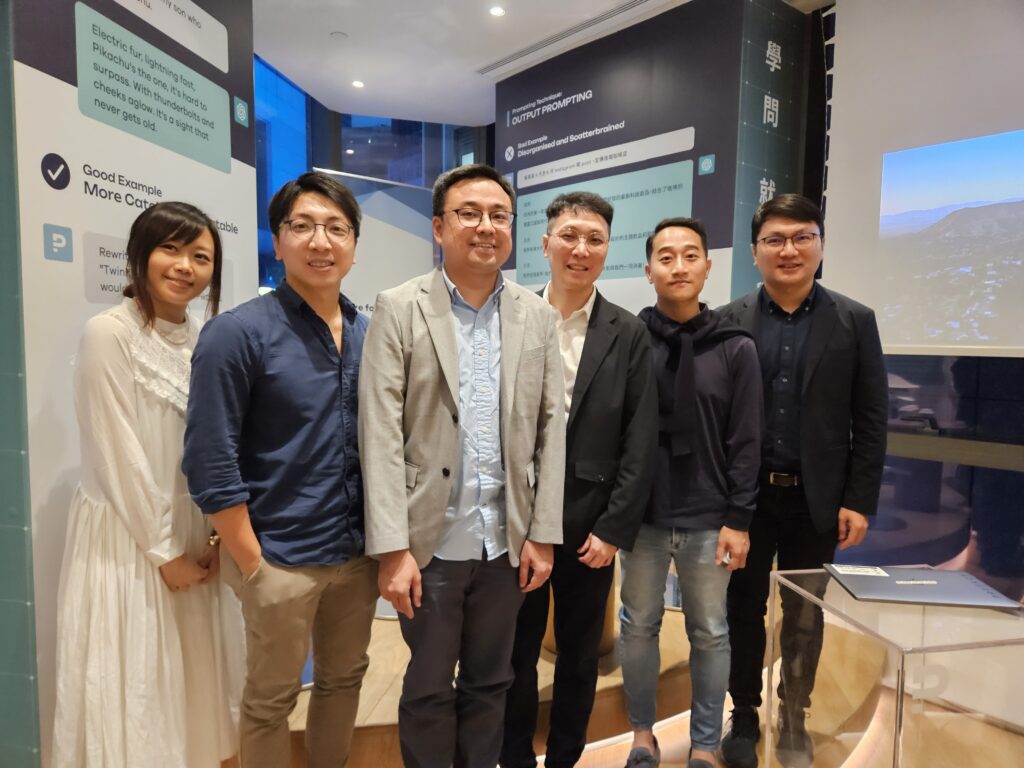
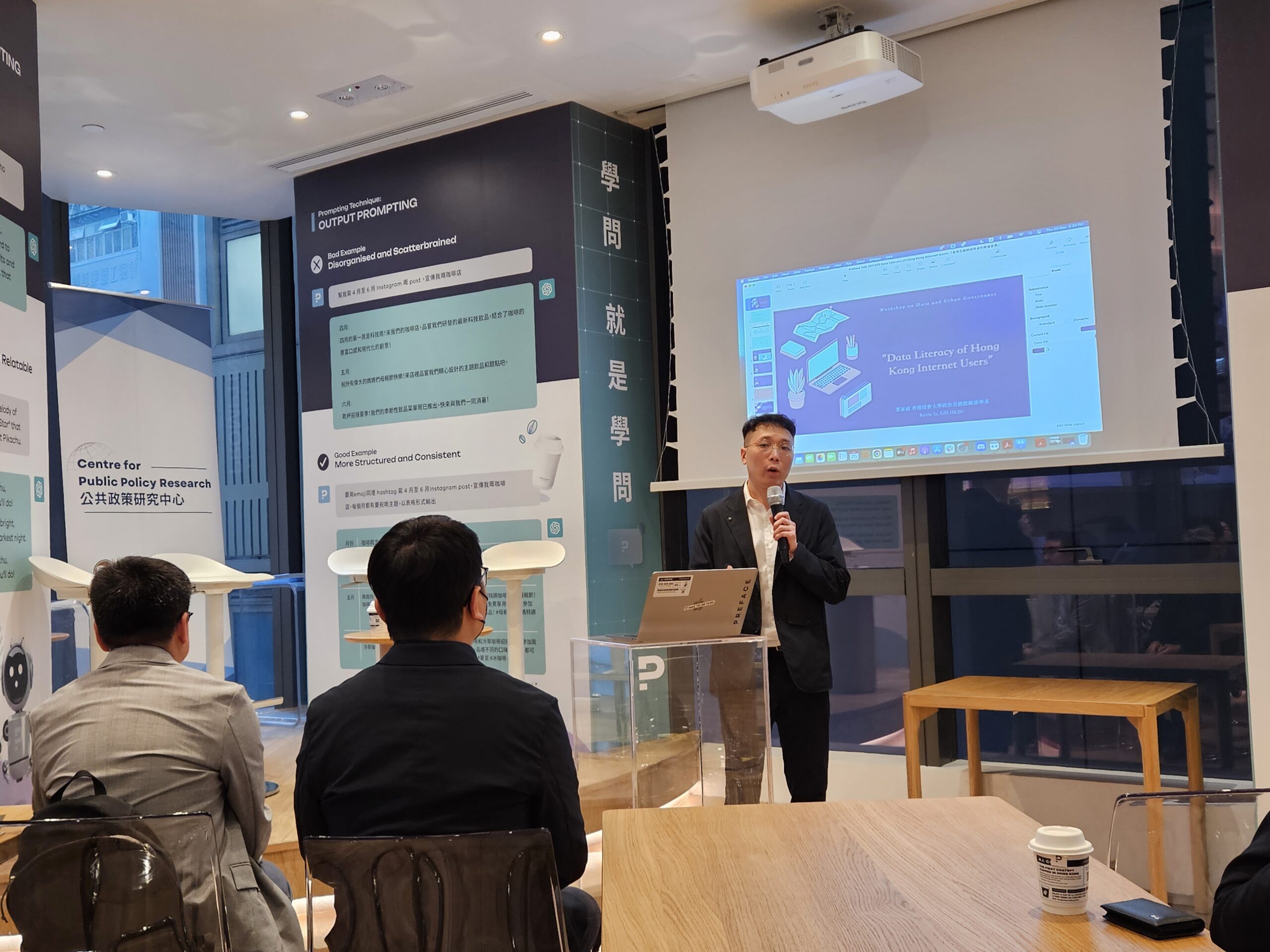
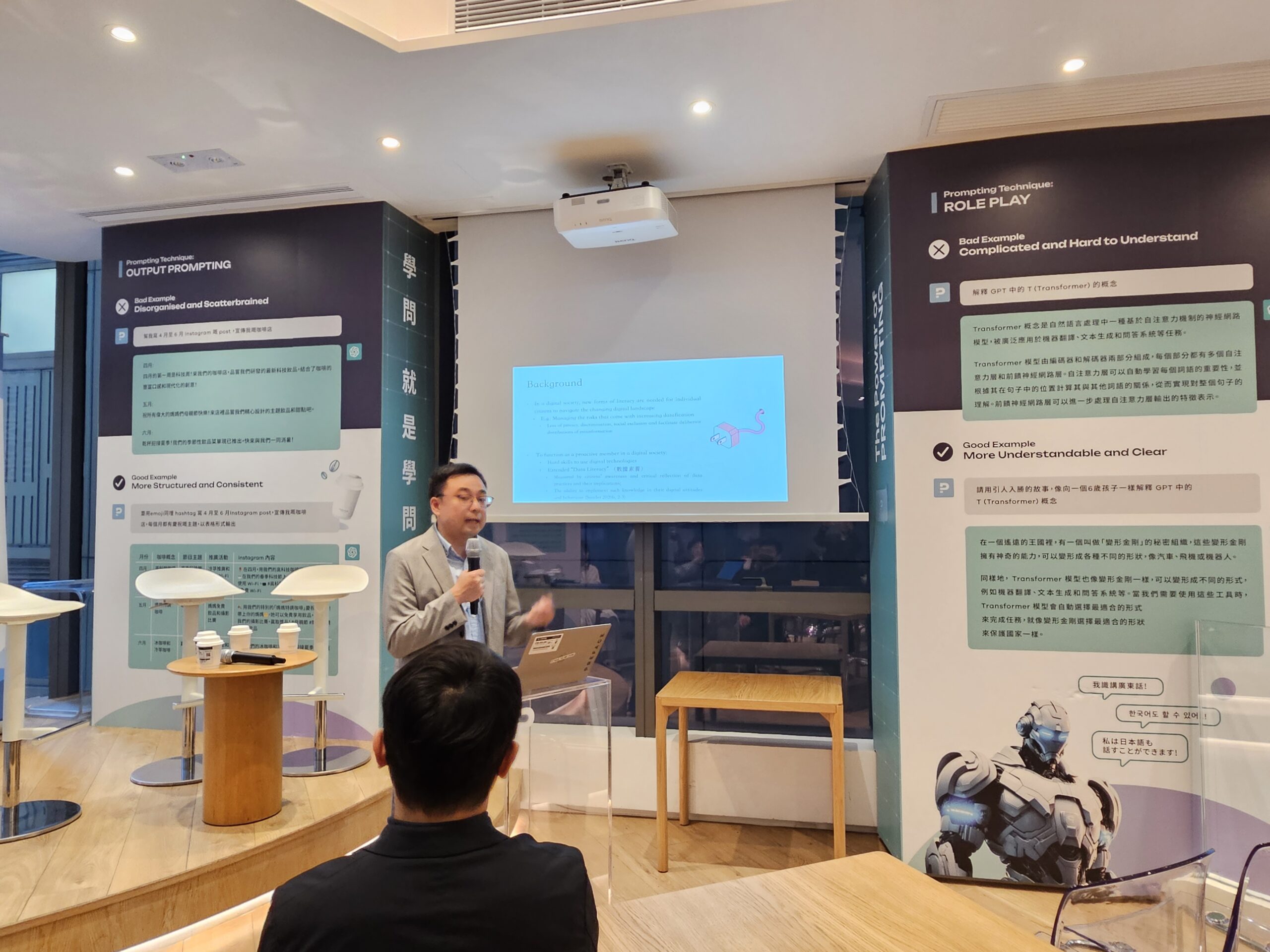
on 25 May 2023, “Seminar on Digital Education in the AI Era: The Future of Innovative Teaching?” Jointly organised by the HSUHK Centre for Public Policy Research, the Department of Politics and International Relations of Hong Kong Baptist University (HKBU), the Hong Kong Federation of Youth Groups (HKFYG), and the education technology company Preface.


The Centre for Public Policy Research (CPPR) of HSUHK, in collaboration with the Department of Politics and International Relations of Hong Kong Baptist University (HKBU), the Hong Kong Federation of Youth Groups (HKFYG), and the education technology company Preface, held a seminar titled “Digital Education in the AI Era: The Future of Innovative Teaching?” 


This seminar delved into the role of AI in education and its implications for digital literacy. As AI technologies like ChatGPT become increasingly integrated into educational settings, understanding how to harness these advancements for educational innovation and adapt to evolving social and youth development needs becomes paramount.


The seminar featured insights from speakers across academia, youth organisations, professional education, and media. They discussed research findings, personal experiences, and strategies on AI and digital literacy, exploring AI’s potential to foster innovative teaching methods and the collective responsibility in promoting digital literacy. Speakers included Dr Ka-wai Ip from HKBU, Ms. Emily Tsang from South China Morning Post, Mr. Tommie Lo, CEO of Preface, and Mr. Ying-kit Chan from the HKFYG, each offering unique perspectives on navigating the challenges and opportunities presented by AI in education.

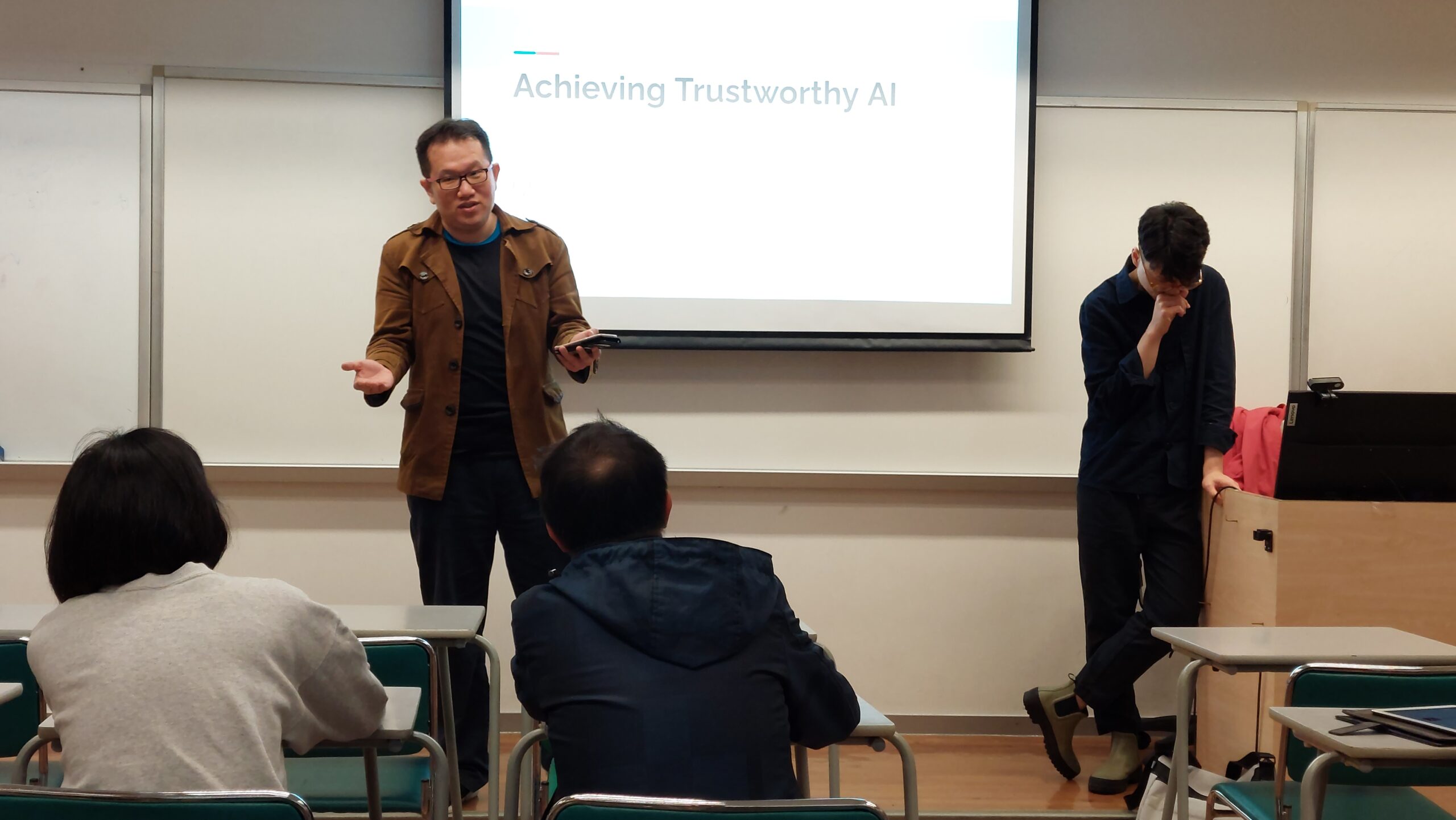
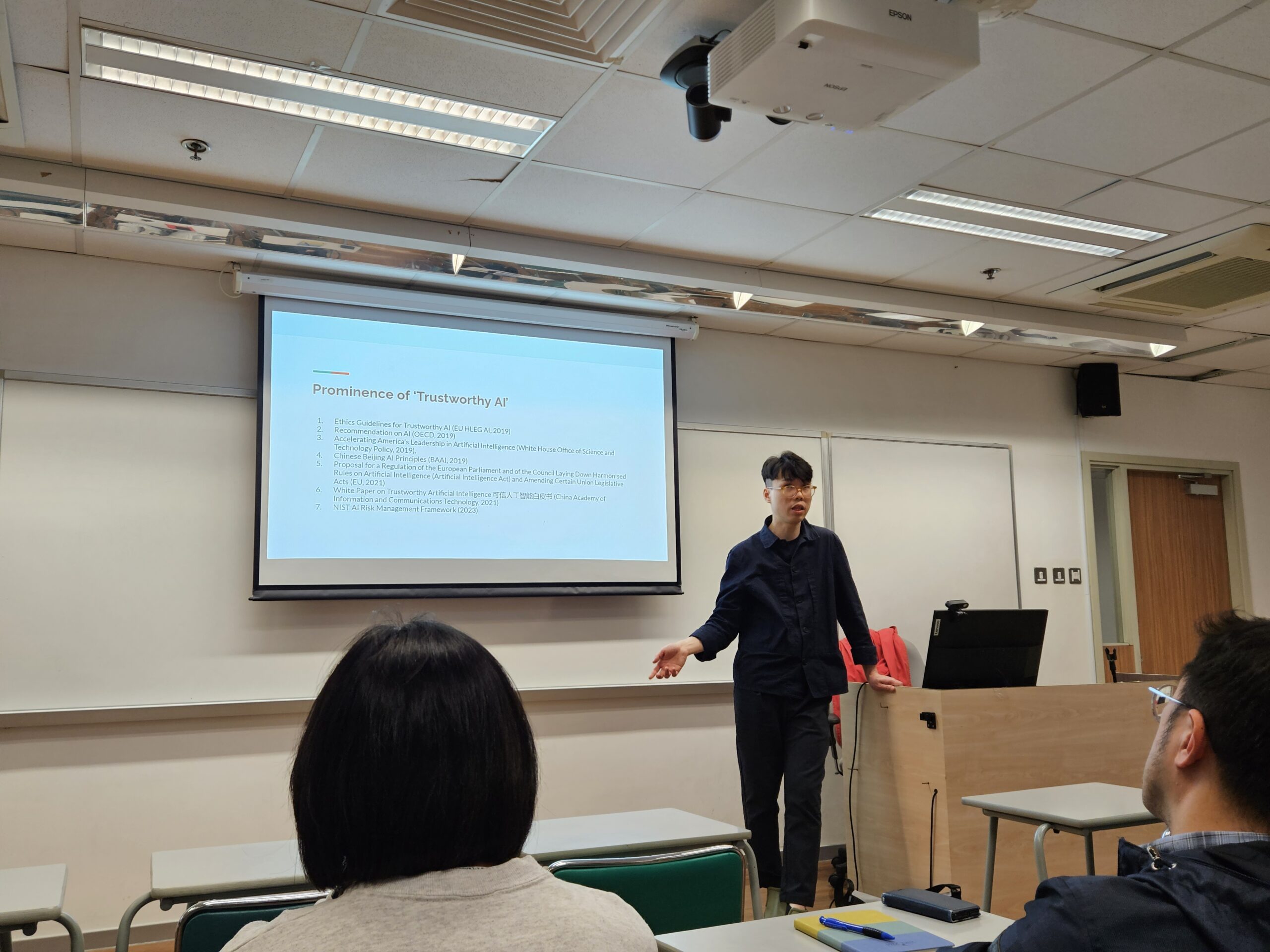
Achieving Trustworthy AI: Trustworthiness, Socio-technological Assemblage, and the AI Act

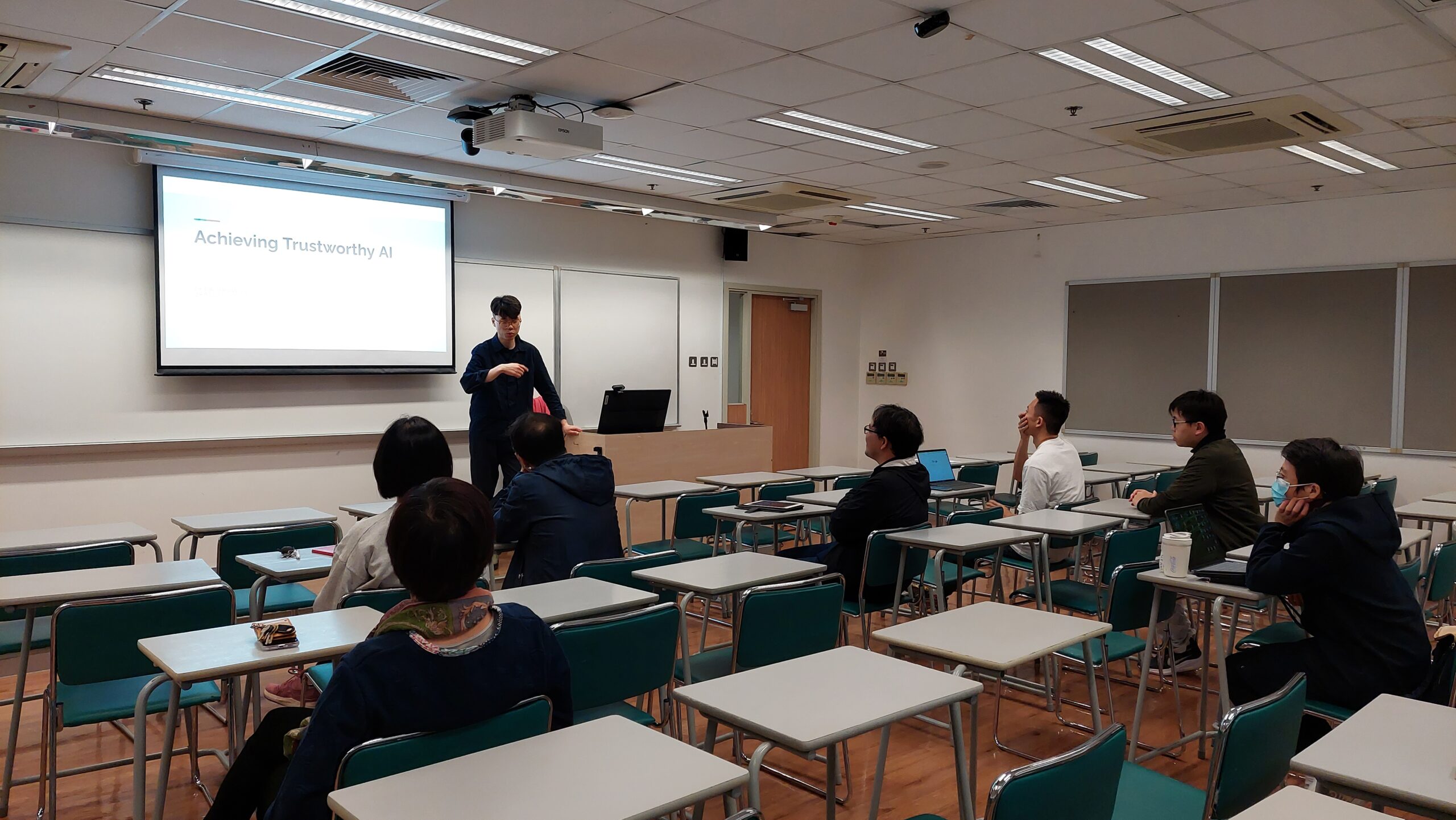
The Centre for Public Policy Research (CPPR) of HSUHK hosted a seminar titled “Achieving Trustworthy AI: Trustworthiness, Socio-Technical Assemblage, and the AI Act.”


Dr. Pak-Hang Wong, a Berlin-based philosopher and ethicist in the fashion and e-commerce industry, explored the ethical, social, and governance dimensions of AI technologies. He discussed the challenges of trustworthy AI and the implications of the European AI Act’s regulatory requirements.