
The conference is funded by the Inter-Institutional Development Scheme (IIDS), Research Grants Council of Hong Kong, Hong Kong Special Administrative Region, China. (UGC/IIDS14/H04/25)
Background
The global energy landscape is facing supply chain disruptions, geopolitical rivalries, and technological vulnerabilities. Hosted in Hong Kong—the premier regional hub for green finance and climate governance—this interdisciplinary conference unites scholars, policymakers, and NGOs to strategize sensible paths forward.
The international conference—“Global Energy Transition in the Age of Climate Governance: Risks and Resilience”—is proudly hosted by The Hang Seng University of Hong Kong (HSUHK). As a leading private liberal-arts-oriented institution recognized for impactful social science research and its innovative, interdisciplinary curriculum in public policy and risk governance, social sustainability, and international relations, HSUHK serves as an essential platform for this global dialogue.
The Organizing Team
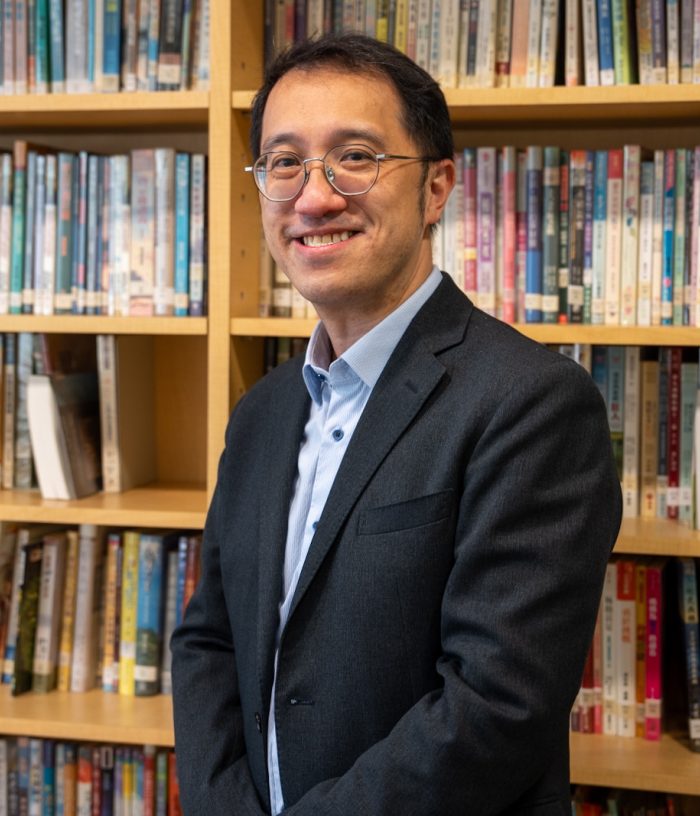
Dr CHAN, Chi Ming Victor
Principal Investigator of the Project and Chair of the Conference
Assistant Professor
Department of Social Science
The Hang Seng University of Hong Kong, China
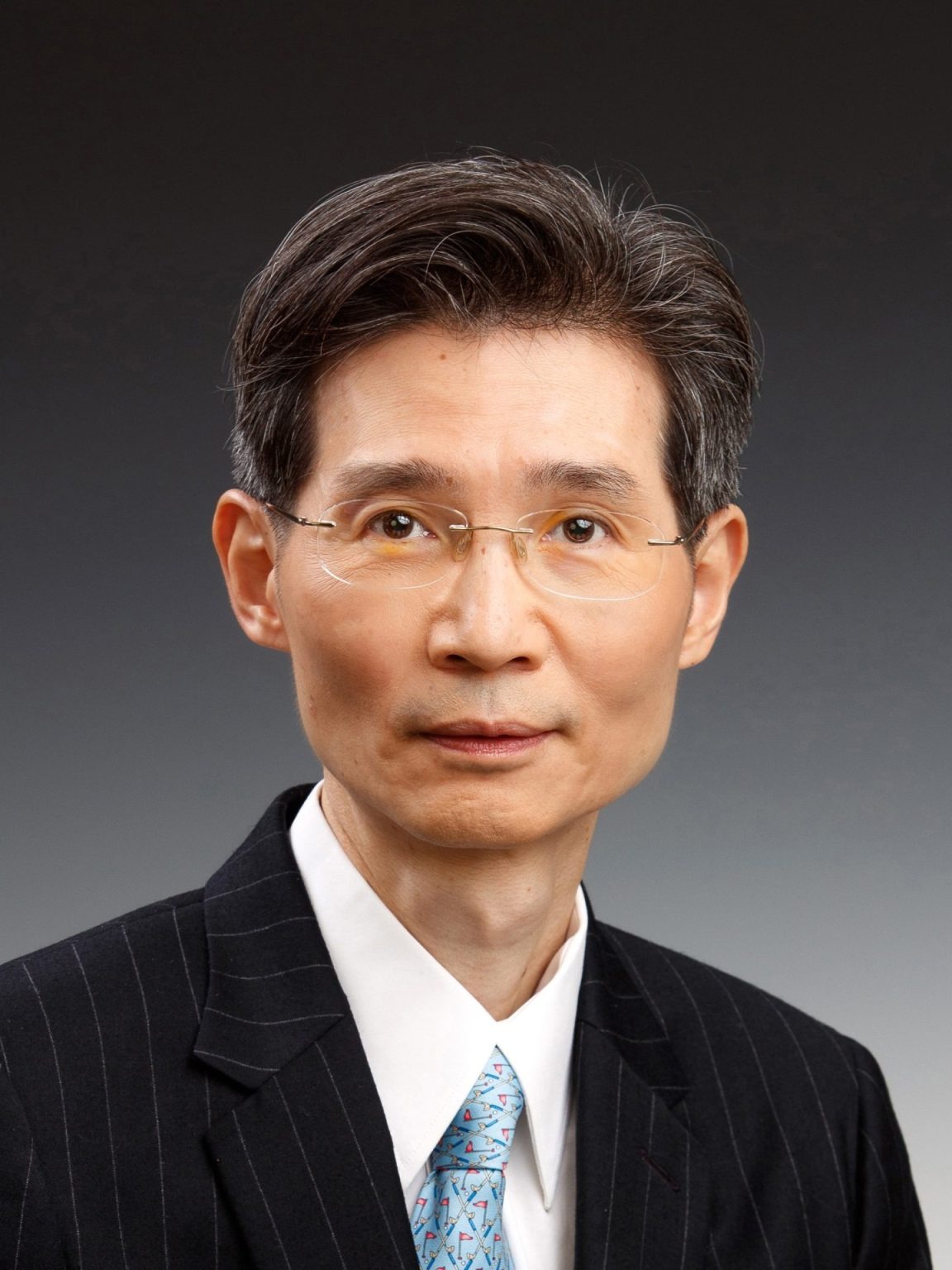
Dr CHENG, Wui-wing Andy
Co-Investigator of the Project and Team Member
Associate Professor
Department of Economics and Finance
The Hang Seng University of Hong Kong, China
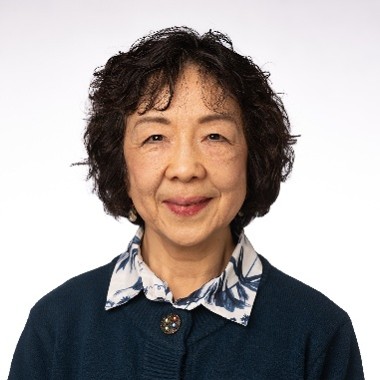
Dr LIAO, Janet Xuanli
Co-Investigator of the Project and Team Member
Reader
Centre for Energy Petroleum and Mineral Law and Policy (CEPMLP)
Univeristy of Dundee
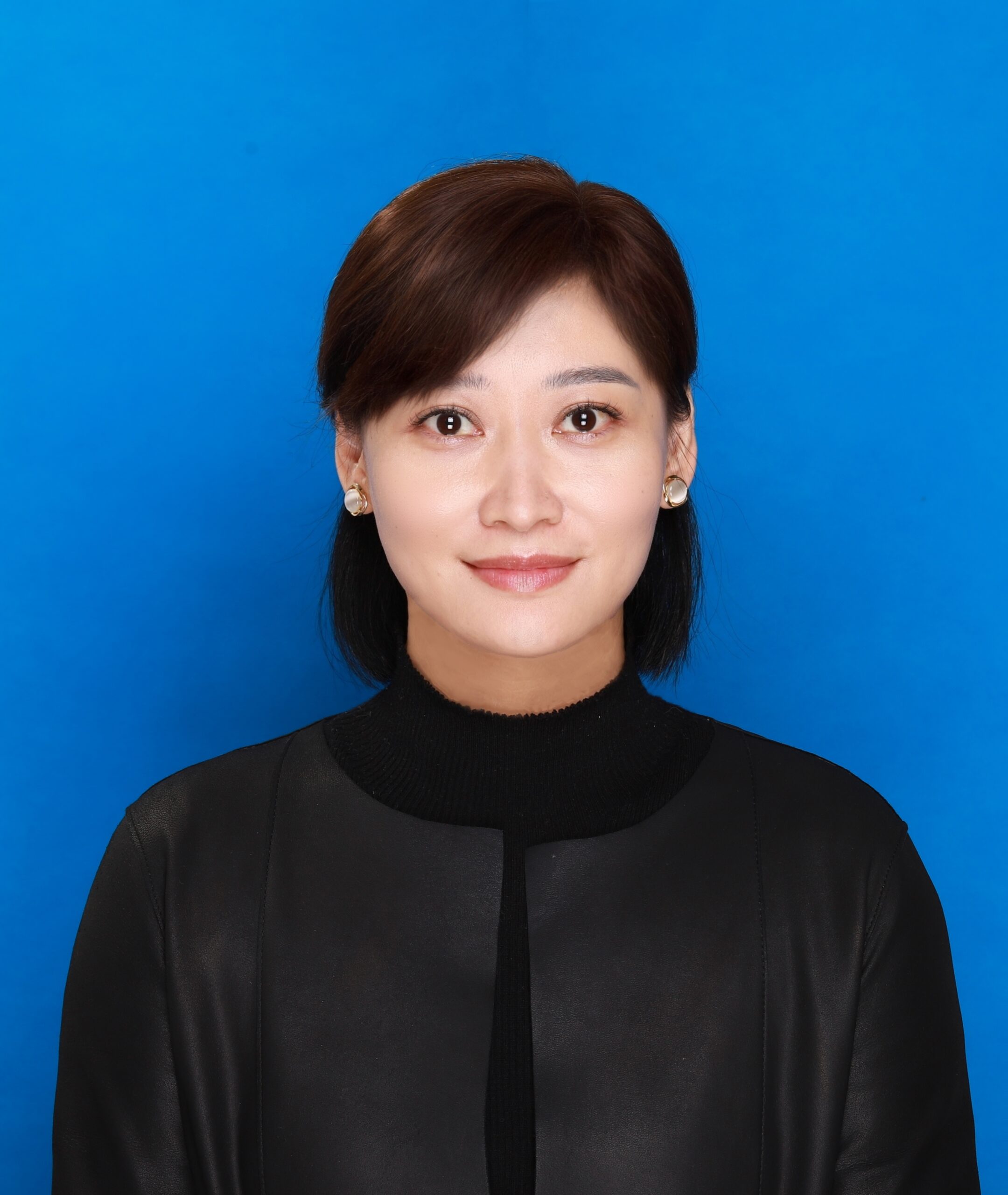
Prof YIN, Zhujia
Co-Investigator of the Project and Team Member
Professor
School of Economics and Management at Changsha University of Science and Technology, China
The Project Support Team
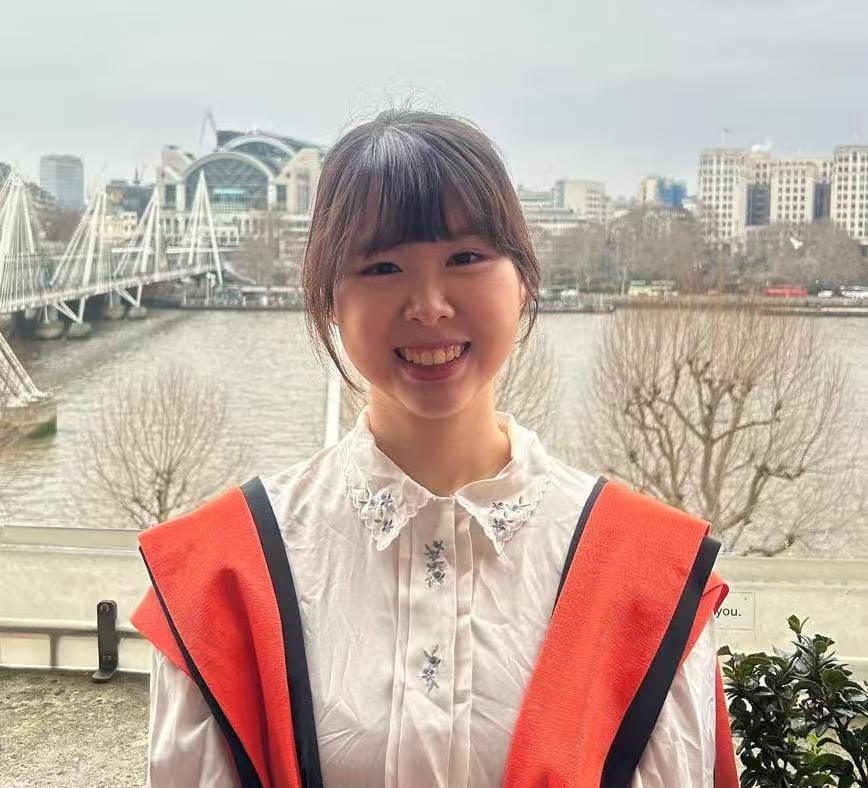
Ms. Ai-Wei Chang
Research Assistant
Department of Social Science
The Hang Seng University of Hong Kong, China
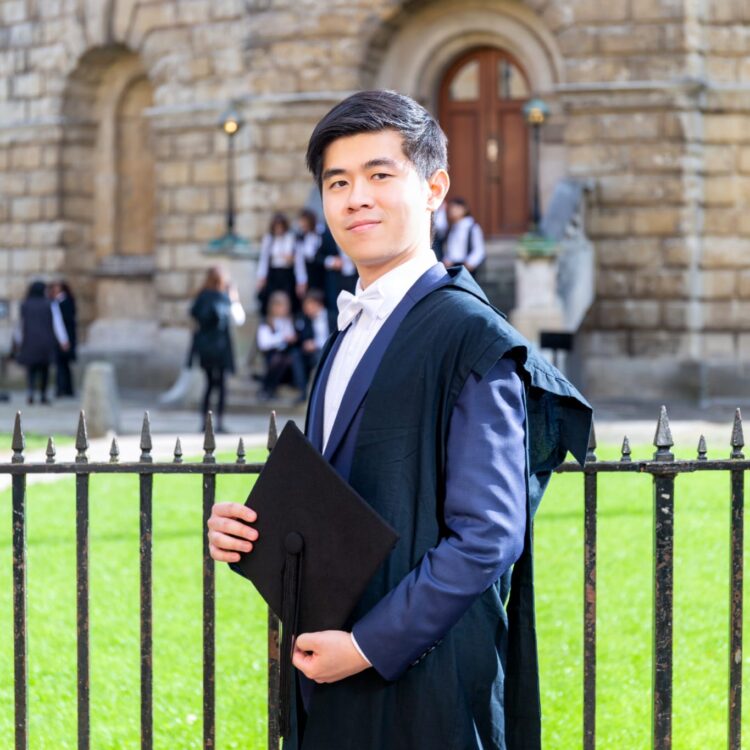
Mr. Douglas Pea
Research Assistant
Department of Social Science
The Hang Seng University of Hong Kong, China
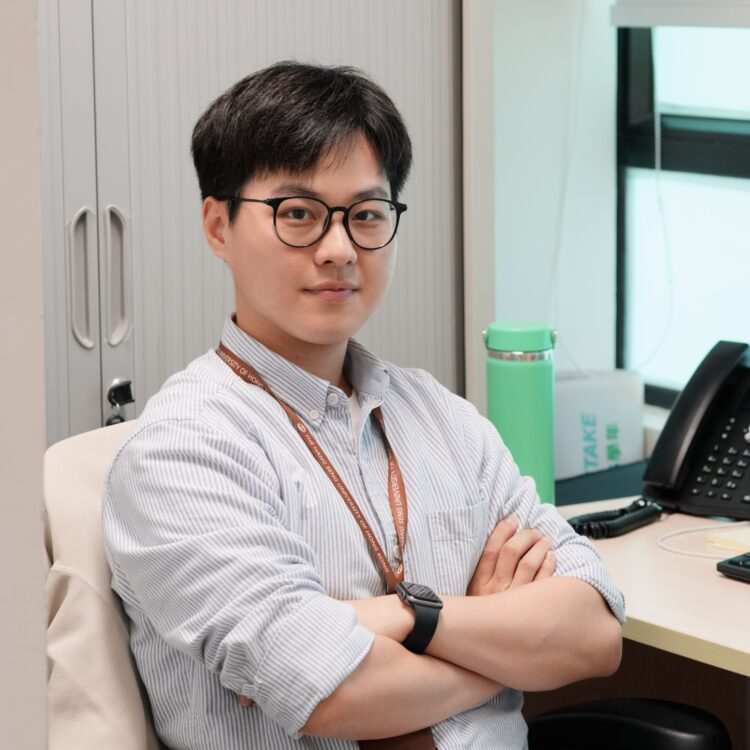
Mr. Ken Chow
Assistant Officer
Centre for Public Policy Research
The Hang Seng University of Hong Kong, China
Keynote Speakers
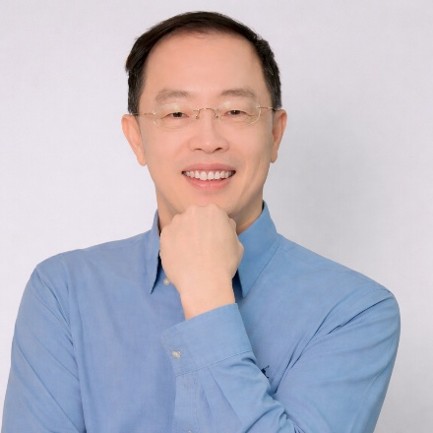
A national Blue-ESG index: measurement of marine sustainability
Prof. Chun-Ping CHANG holds professorship at Shih Chien University and serves as the Editor in Chief of Asia & the Pacific Policy Studies and Evironment, Innovation and Management as well as Co-Editor of Emerging Markets Finance and Trade. Recognized among the World’s Top 2% Scientists and ranking first in Chinese Taipei in the economics category, his research focuses on energy and environmental economics, political economy, and applied econometrics. His latest work demonstrates how strategic government environmental spending and foreign direct investment (FDI) can optimize energy efficiency and mitigate CO2 emissions across Asian economies, balancing growth targets with proactive pollution management to advance sustainable development and build the foundation of systemic resilience and climate governance for future energy systems.
Prof. CHANG, Chun-Ping
Shih Chien University
Chinese Taipei
The Geopolitics of Energy System Transformation
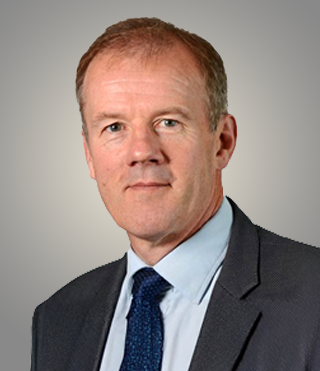
Prof. James HENDERSON leads critical research on energy transition and geopolitics at the Oxford Institute for Energy Studies. As an honorary and visiting professor across multiple European universities, his interdisciplinary expertise bridges industry and academia. His latest work analyzes the structural shifts in global gas markets and infrastructure security in the post-crisis era, building the foundation of systemic resilience and equitable climate governance for future energy systems.
Prof. James HENDERSON
The Oxford Institute for Energy Studies, United Kingdom
Plenary Speakers
Air Pollution and Firm Labor Investment Efficiency :
Evidence from China
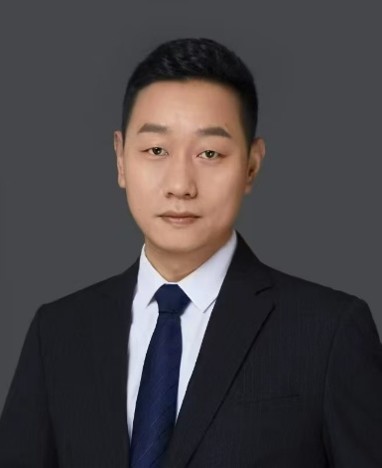
Prof. KONG, Dongmin is a Professor of Finance and Deputy Dean at the School of Economics within Huazhong University of Science and Technology (HUST), China, where he has served since 2006 and currently leads as a doctoral supervisor. He earned his PhD in Management from Sun Yat-sen University (Zhongshan University). Prof. Kong possesses extensive global academic expertise, contributing to international scholarly publishing as a Co-editor for Economic Analysis and Policy and an Associate Editor for China Finance Review International. His primary research interests focus on corporate finance, behavioral finance, business behavior, and the modernization of the Chinese capital market.
Prof. KONG, Dongmin
Huazhong University of Science and Technology, China
Seeking Opportunities for Energy Cooperation in a Turbulent Geopolitical Environment
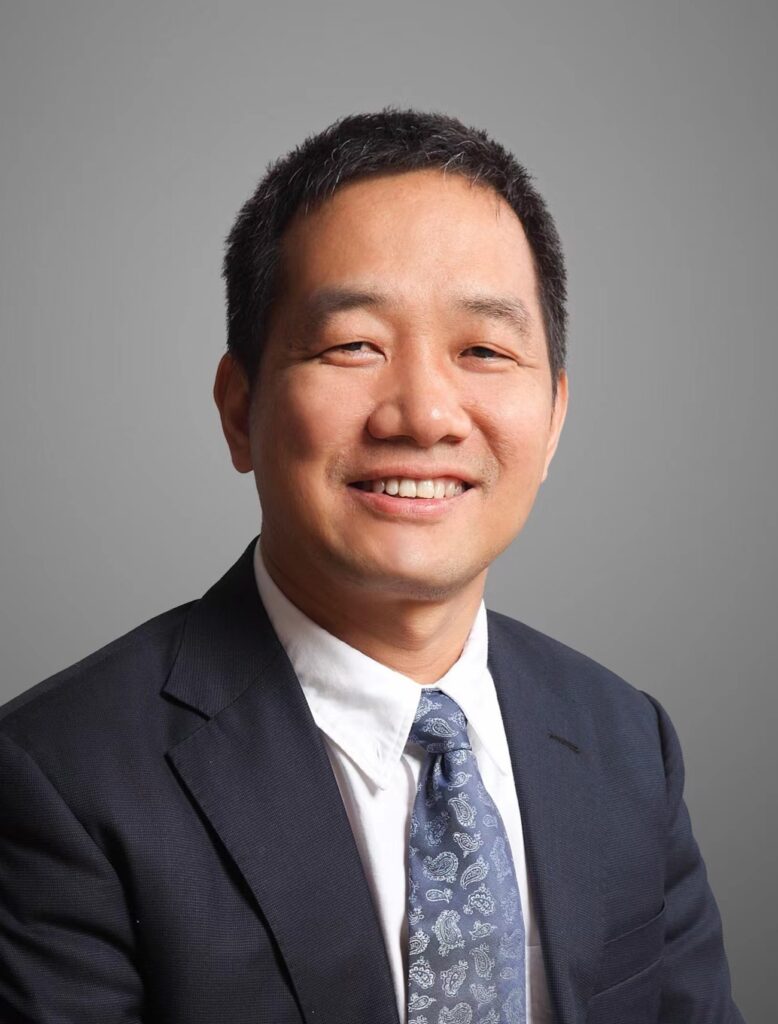
Prof. YANG, Lei is a Research Professor and Deputy Dean of both the Institute of Energy and the Institute of Carbon Neutrality within Peking University, China. He possesses extensive global expertise in energy governance, having previously served as a Senior Advisor to the International Energy Agency (IEA) and Chair of the International Gas Union (IGU) Coordination Committee. Prof. Yang’s primary research interests focus on corporate finance, behavioral finance, business behavior, and the modernization of the Chinese capital market.
Prof. YANG Lei
Peking University, China
Explore Our Conference Panel Sessions/Roundtable
The path to net-zero is filled with geopolitical, financial, and societal challenges. Our conference is structured with four interconnected panels and a round table of climate governance and energy transition. Select a session below that aligns with your interests.
Panel 1: Risks and Resilience in Energy Transitions (Chair: Dr WANG Shiru, The Hang Seng University of Hong Kong)
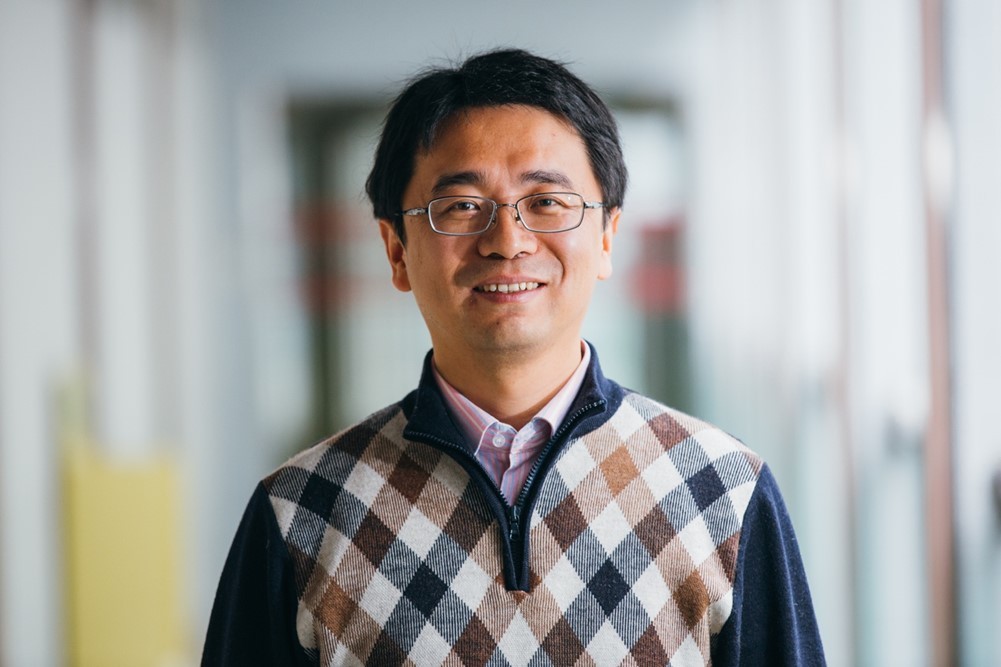
Prof. XU Yuan (The Chinese University of Hong Kong, China)
Title: Can battery recycling as urban mining become a crucial source to meet China’s lithium demand?

Prof. CHEN Shi (The Hong Kong University of Science and Technology, China)
Title: The effect of land costs on the economic and sustainability performance of solar photovoltaics in China
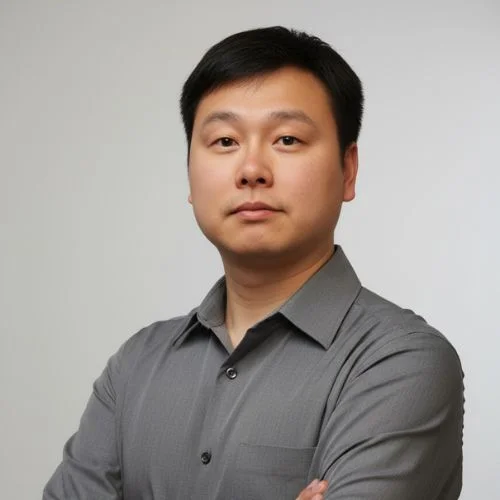
Prof. Lau Chi Keung (Zhejiang Yuexiu University, China)
Title: Biodiversity Risk and Firm Market Volatility: Evidence from U.S. Public Firms
Panel 2: Financial Risks and Green Finance Opportunities (Chair: Dr Chi-Kit Chan, The Hang Seng University of Hong Kong)

Prof. YIN Zhujia (Changsha University of Science & Technology, China)
Title: When the Storm Comes: How Physical Climate Risks Shapes Commercial Banks’ EESG Performance

Prof. Zhang Weiming (Hong Kong Baptist University, China)
Title: Carbon Emissions Trading and Stock Price Informativeness: The International Evidence
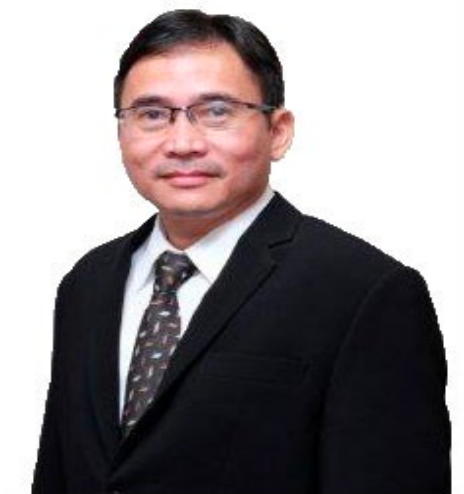
Dr Donni Fajar Anugrah (Bank Indonesia Representative Office for East Java, Indonesia)
Title: Closing the Green Financing Gap in Indonesia
Panel 3: Just Energy Transition: Justice, Governance, and Inclusion (Chair: Dr Gary Tang, The Hang Seng University of Hong Kong)

Dr. FULLER, Sara (Macquarie University, Australia)
Title: Transitions, responsibility and urban climate justice: the case of Singapore

Prof. Fu Qiang (Changsha University of Science and Technology, China)
Title: Sustainable Assessment of Power Generation Investment in China: Key Factors and Implications for Energy Policy Transformation
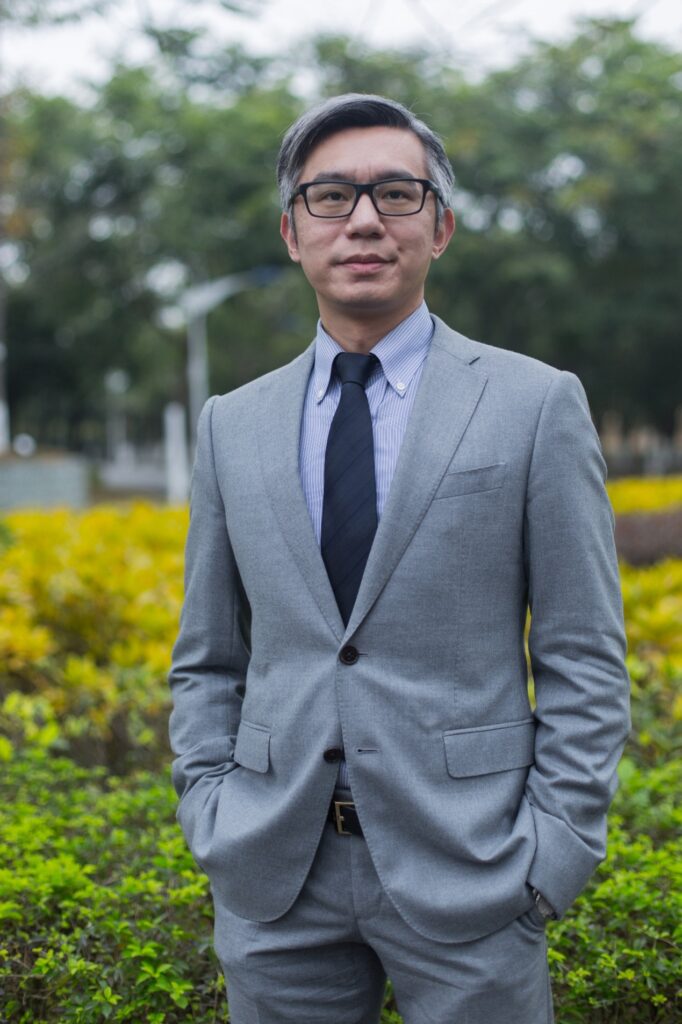
Prof. Yang Jingjing (Guangdong University of Foreign Studies, China)
Title: Policy Salience and the Pricing of Climate Transition Exposure: Evidence from China’s Dual-Carbon Announcement
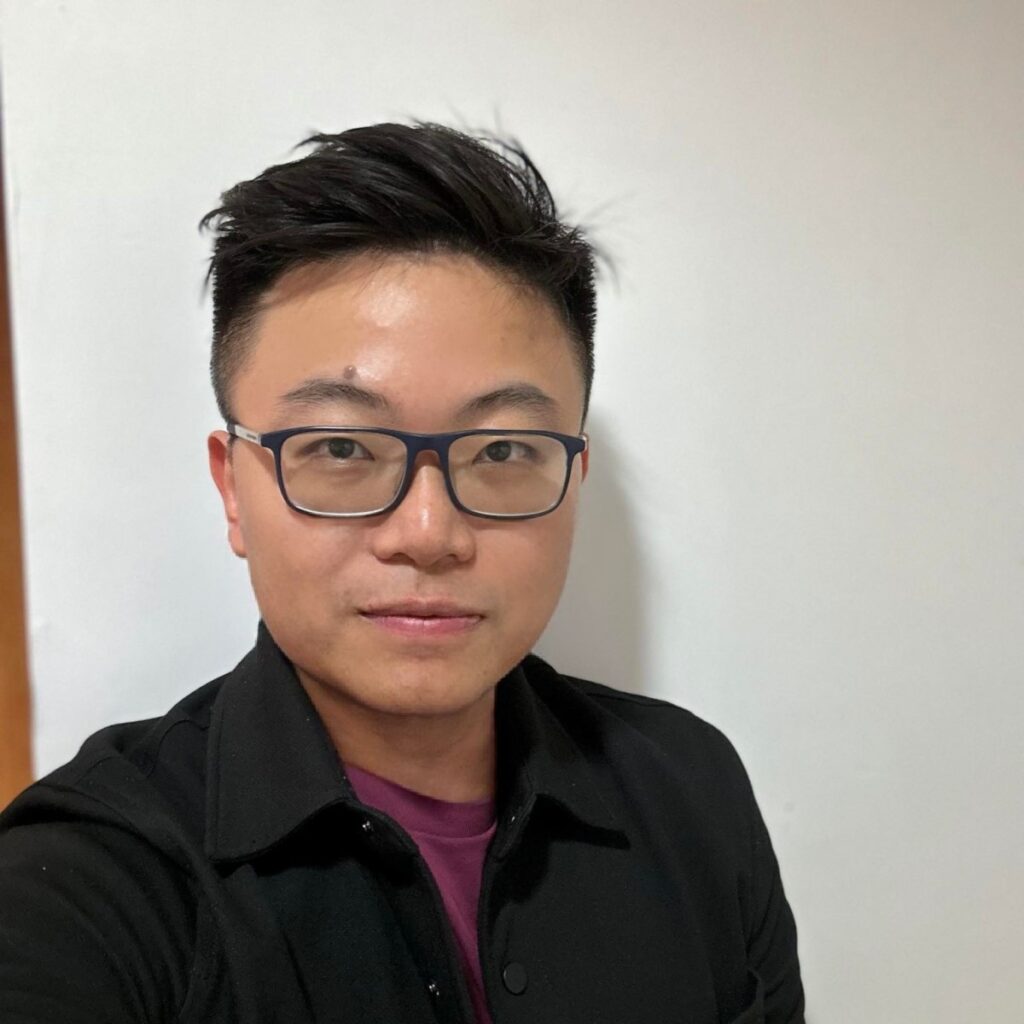
Dr. LEUNG Kin Wai (The Hang Seng University of Hong Kong, China)
Title: Non-Domination in Just Energy Transition: a Neo-Republican Framework
Panel 4 Geopolitics of Energy Transition: Power, Security, and Global Governance (Chair: Dr Joe Poon, The Hang Seng University of Hong Kong)
This panel examines how the energy transition is reshaping global politics, strategic competition, and patterns of international cooperation. Rather than viewing decarbonization as a purely environmental or technological process, it approaches the transition as a geopolitical transformation in which control over critical minerals, clean technology, supply chains, infrastructure, and regulatory frameworks has become increasingly central. The panel explores how states and regions respond to new forms of interdependence and vulnerability, how energy security concerns interact with climate goals, and how global governance arrangements are being reconfigured in the low-carbon era. Together, the contributions highlight that the energy transition is not leading to a post-geopolitical world, but instead generating new contests over influence, industrial leadership, and strategic autonomy across multiple scales.
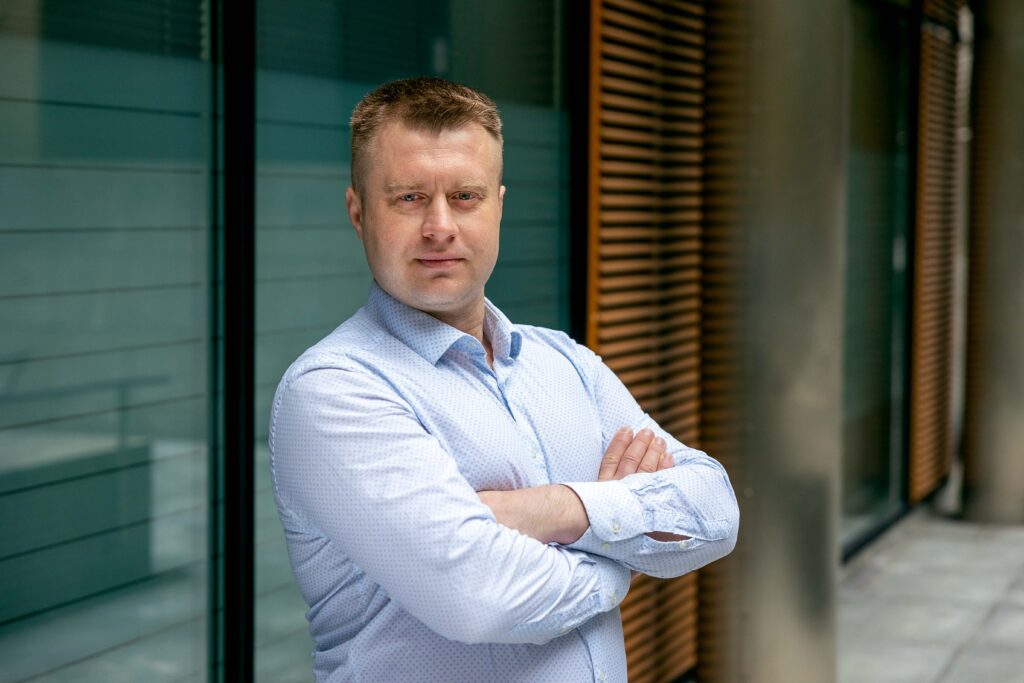
Prof. Vakulchuk Roman (Norwegian Institute of International Affairs, Norway)
Title: Global governance of critical minerals for the energy transition
Dr. Liao Xuanli Janet (Dundee University, UK)
Title: Geopolitics and The Rocky Road of Sino-Britain Clean Energy Cooperation
Dr. Victor Chan (The Hang Seng University of Hong Kong, China)
Title: Mediated Green Geoeconomics: China’s Green BRI and Energy Transition in Pakistan, Kazakhstan, and Indonesia

Ms. Zhang Cuicheng (University of Oxford, UK)
Title: Energy Transition after the Ukraine War: Convergence or Fragmentation in European Energy Governance
Round Table: Hong Kong as a Regional Hub for Climate Finance and Energy Transition (Chair: Dr Victor Chan, The Hang Seng University of Hong Kong)
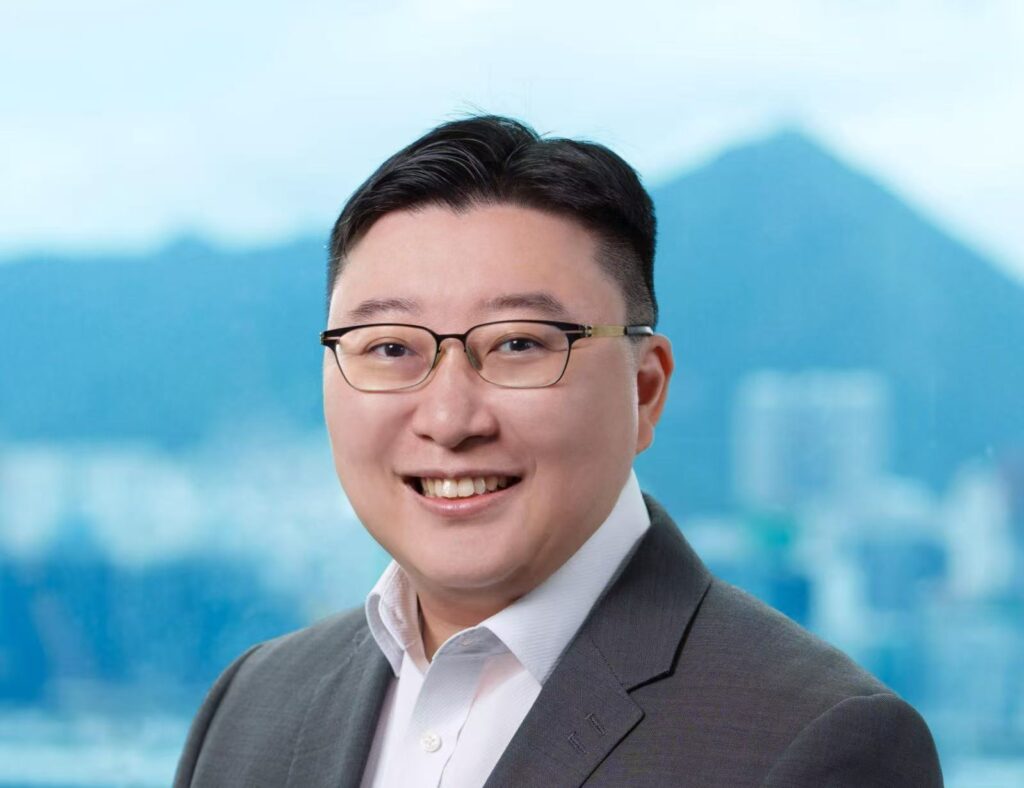
Mr Sam YEE
Experienced Risk Management Practitioner
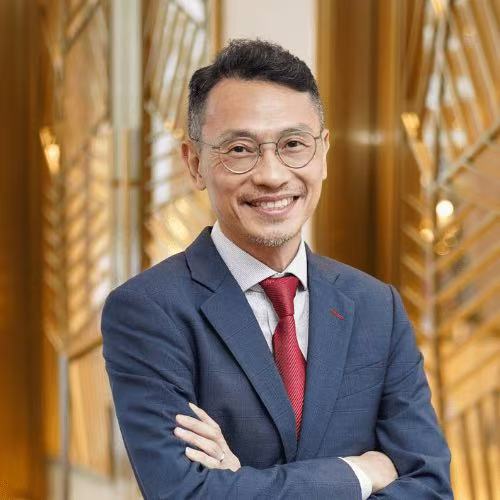
Mr. Alan TO
CEO, Climate Finance Asia
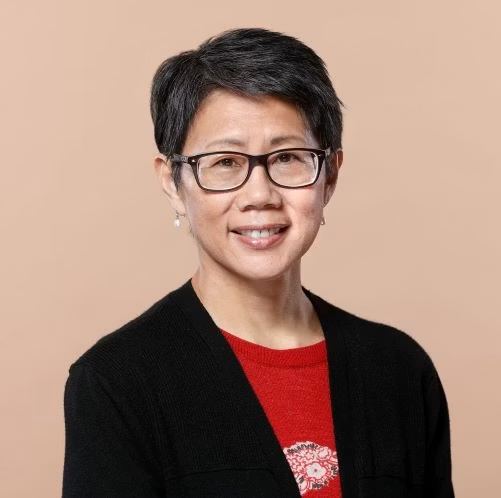
Prof. Christine LOH
Chief Development Strategist, Division of Environment and Sustainability, Hong Kong University of Science and Technology
Mr. Peter LAM
Risk Management Specialist
Schedule
This two-day conference features two keynote speeches, four thematic panel discussions, and one concluding roundtable. The programme is designed to foster interdisciplinary dialogue and actionable solutions to address the risks, opportunities, and equity challenges of the global energy transition.
Day 1 (22 September 2026) Venue: Lee Ping Yuen Chamber, 8/F Lee Quo Wei Academic Building, Yuen Campus
| Time | Programme |
|---|---|
| 08:45-09:00 | Registration and Welcome Coffee |
| 09:00-09:10 | Welcome Speech Prof. Joshua MOK , President of the Hang Seng University of Hong Kong |
| 09:15-09:25 | Opening Remarks Prof. K.K. TAM, Dean of School of Humanities and Social Science, The Hang Seng University of Hong Kong |
| 09:25-09:30 | Group Photo Session |
| 09:30-10:45 | Keynote Speech (1) A National Blue-ESG Index: Measurement of Marine Sustainability (Speaker Prof. C P Chang, Shih Chien University ) Chair: Dr Andy CHENG, The Hang Seng University of Hong Kong |
| 10:45-11:00 | Coffee Break |
| 11:00-12:30 | Panel 1: Risks and Resilience in Energy Transitions Chair: Dr WANG Shiru, The Hang Seng University of Hong Kong |
| 12:30-14:00 | Lunch |
| 14:00-15:30 | Panel 2: Financial Risks and Green Finance Opportunities Chair: Dr Chi-Kit CHAN, The Hang Seng University of Hong Kong |
| 15:30-15:45 | Coffee Break |
| 15:45-16:45 | Plenary Session (1) Air Pollution and Firm Labor Investment Efficiency: Evidence from China (Speaker: Prof. KONG Dongmin, Huazhong University of Science and Technology ) Chair: Prof. C P CHANG, Shih Chien University |
| 16:45-17:45 | Roundtable: Hong Kong as a Regional Hub for Climate Finance and Energy Transition Chair: Dr Victor CHAN, The Hang Seng University of Hong Kong |
| 18:00-20:00 | Welcome Dinner |
Day 2 (23 September 2026) Venue: Lee Ping Yuen Chamber, 8/F Lee Quo Wei Academic Building, Yuen Campus
| Time | Programme |
|---|---|
| 09:00-09:30 | Registration and Welcome Coffee |
| 09:30-10:45 | Keynote Speech (2) Assessing climate change goals in a time of global turbulence (Speaker: Prof. James Henderson, The Oxford Institute for Energy Studies) Chair: Dr Janet LIAO, University of Dundee |
| 10:45-11:00 | Coffee Break |
| 11:00-13:00 | Panel 3: Just and Inclusive Energy Transitions: Justice, Governance, and Inclusion Chair: Dr Gary TANG, The Hang Seng University of Hong Kong |
| 13:00-14:30 | Lunch |
| 14:30-15:30 | Plenary Session (2) Seeking Opportunities for Energy Cooperation in a Turbulent Geopolitical Environment (Speaker: Prof. YANG Lei, Peking University) Chair: Dr Eva HUNG, The Hang Seng University of Hong Kong |
| 15:30-15:45 | Coffee Break |
| 15:45-17:45 | Panel 4: Geopolitics of Energy Transition: Power, Security, and Global Governance Chair: Dr Joe Poon, The Hang Seng University of Hong Kong |
| 18:00-20:00 | Dinner |
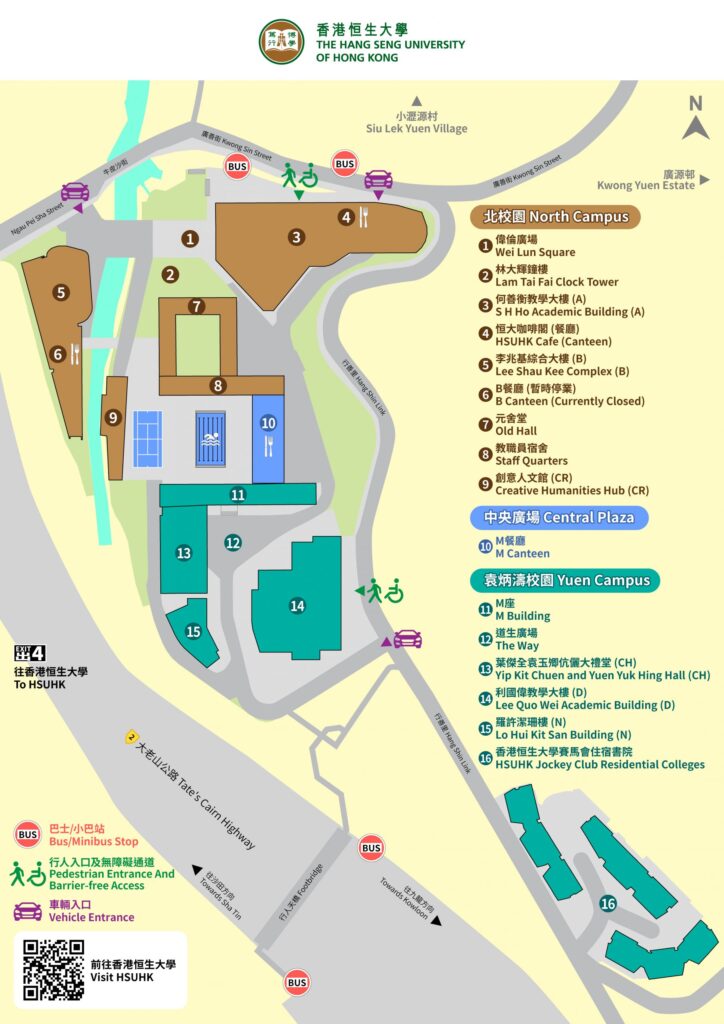
| MTR-Bus Interchange Station | |
|---|---|
| MTR Station | Route No. |
| Diamond Hill Station | 82X, 84M, 85M, 286M |
| Shatin Station | 89X |
| Tate’s Cairn Tunnel Bus Stop | |
|---|---|
| Start From | Route No. |
| Kowloon | |
| Kowloon Central | 82X, 84M, 85M |
| Kowloon East | 74X, 80X, 83X, 88, 88X, 89C, 89D, 89X, 277X |
| Kowloon West | 75X, 85X, 286M |
| New Territories | |
| Sai Kung District | 798 |
| Shatin District | 80X, 82X, 83X, 84M, 85M, 85X, 88, 88X, 89C, 89D, 89X, 286M, 798 |
| North District | 277X |
| Tai Po District | 74X, 75X, 307 |
| Hong Kong Island | 307, 373, 673, 680, 681, 682 |
| HSUHK (Kwong Sin Street) Bus Stop | |
|---|---|
| Start From | Route No. |
| Shatin District | Bus: 83K, 83S, 89S Minibus: 65A, 65K, 808 |
| Kowloon West | Bus: 85A, 86 |