
Research Background
Youth micro-entrepreneurs are an important but under-supported part of Hong Kong’s economy, especially in non-tech sectors such as retail, food and beverage, creative industries, and professional services. This study begins with a comparative policy analysis by examining the existing entrepreneurial policies in London, Beijing and Hong Kong.
Then, based on 25 entrepreneur interviews, 20 support stakeholder interviews, and 627 online survey responses from youth micro-entrepreneurs, this study finds that youth micro-entrepreneurship is stage-specific, non-linear, and shaped by both formal and informal support ecosystems.
Project Team

Dr Victor Chan
Principal Investigator
Department of Social Science
Centre for Public Policy Research
The Hang Seng University of Hong Kong

Dr Eva Hung
Co-Investigator
Department of Social Science
Centre for Public Policy Research
The Hang Seng University of Hong Kong

Dr Thomas Man
Co-Investigator
Chinese YMCA of Hong Kong
Key Findings
- Capital constraints persist across all stages
- Strong reliance on informal support
- Non-linear growth patterns
- Encounter policy gaps in non-technology sectors
- Remain cautious about entering the Greater Bay Area
- Growing use of AI
Recommendations
This brief recommends a stage-specific support framework, stronger coordination between formal and informal support, better non-tech support pathways, practical GBA guidance, balanced AI integration, stronger entrepreneurship education, and broader success indicators.
Theme 1: Stage-specific Needs and Challenges
Quantitative Data Analysis
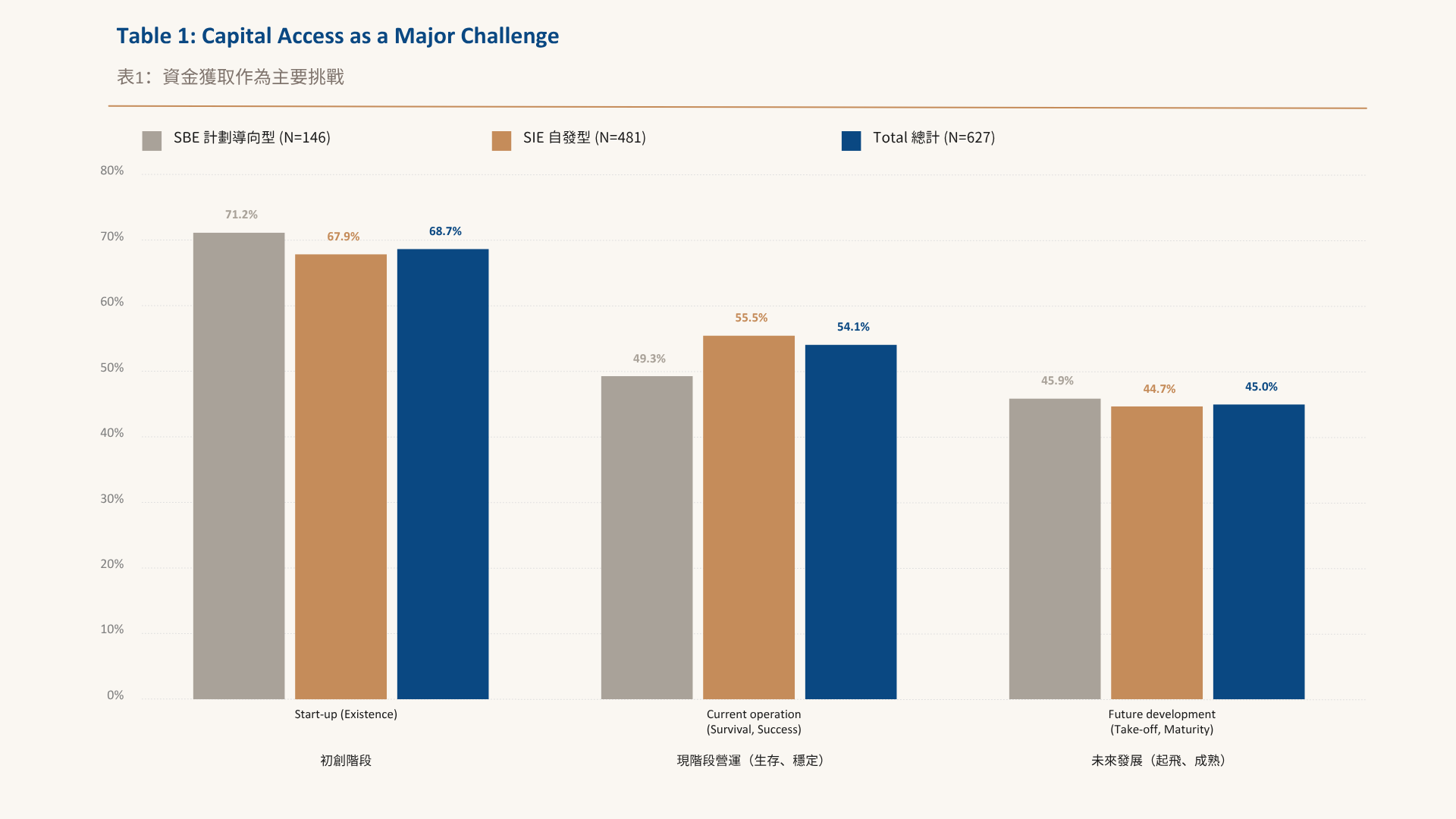
Survey findings show that access to capital is the most persistent challenge across start-up, current operation, and future development. As presented in Table 1, 68.7% of respondents identified capital access as a major challenge at the start-up stage, making it the highest among the three stages. This challenge remained substantial during current operation, where 54.1% of respondents reported difficulties in securing capital, and continued into future development, where 45.0% still regarded it as a major issue. When comparing the two groups, scheme-based entrepreneurs reported slightly greater difficulty than self-initiated entrepreneurs at the start-up stage (71.2% vs. 67.9%) and in future development (45.9% vs. 44.7%), whereas self-initiated entrepreneurs reported a higher level of difficulty during current operation (55.5% vs. 49.3%). These findings suggest that capital access remains a persistent concern throughout the entrepreneurial journey, although its intensity varies slightly by stage and entrepreneur type.
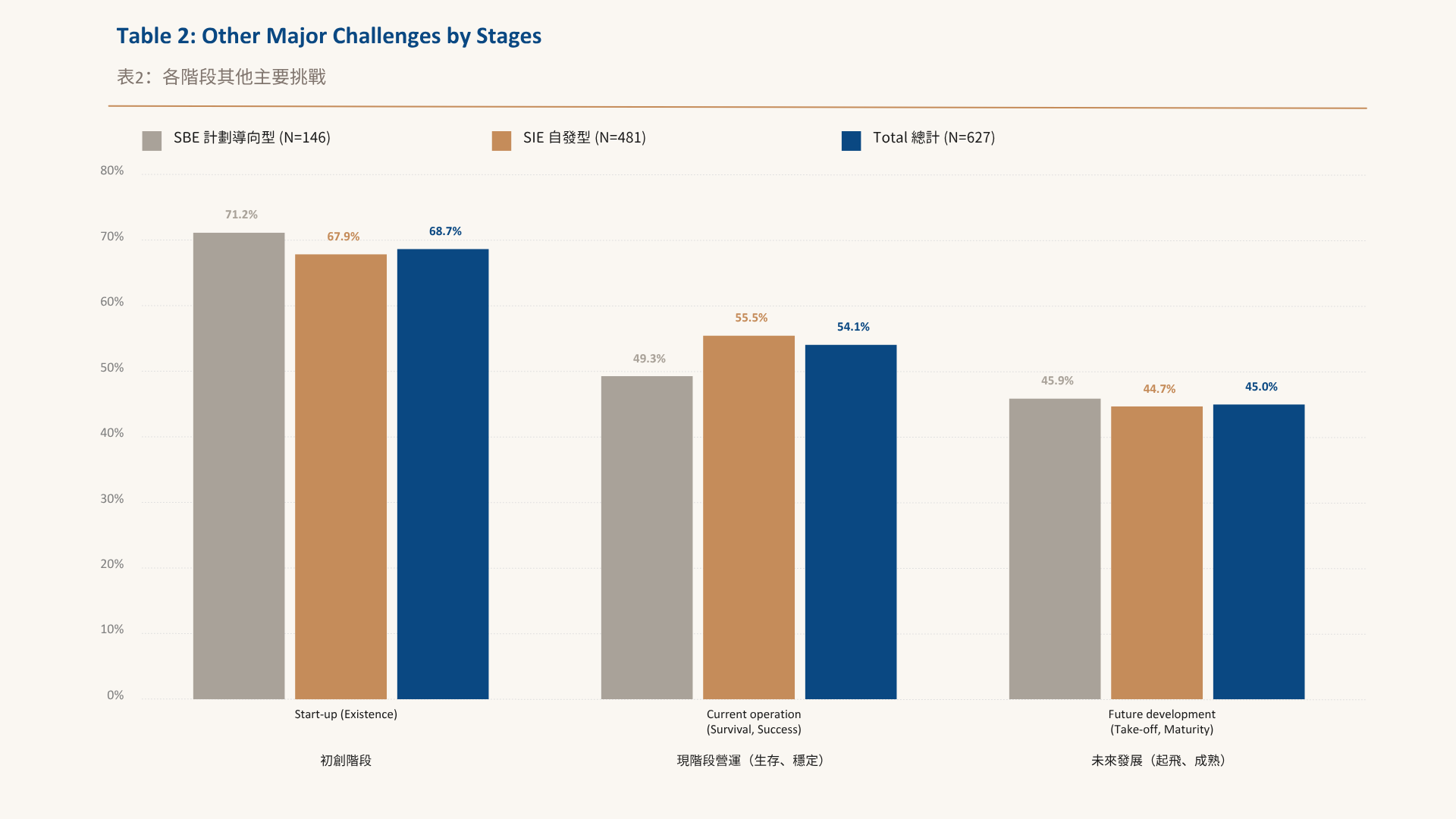
Beyond financing, the survey also indicates that entrepreneurs face different sets of challenges at different stages of development. According to Table 2, at the start-up stage, the major issues included age-related credibility, technology issues, and market access, suggesting that new entrepreneurs not only struggle with funding but also with gaining trust, acquiring technical capability, and entering the market. During current operation, the main challenges shifted to market access and insufficient revenue, reflecting the difficulty of sustaining business performance and generating stable returns. In the future development stage, the key issues were market access and work-life balance, indicating that even as businesses move toward take-off or maturity, entrepreneurs must continue to address growth opportunities while managing personal well-being. Overall, the findings highlight that while capital access is the most consistent challenge, other problems evolve across the business lifecycle.
Qualitative Data Analysis
Interview data shows that youth micro-entrepreneurship is a stage-based process rather than a simple linear journey. Entrepreneurs experience different challenges at each stage of business development.
Qualitative Summary of Theme 1
- Needs differ across stages
- Cash flow and admin burdens are decisive
- Informal support fills practical gaps
- Support should be stage-specific
- Funding and procedures should be simplified
- Policy should recognize support ecology
Theme 2: Formal vs. Informal Support Networks
Quantitative Data Analysis
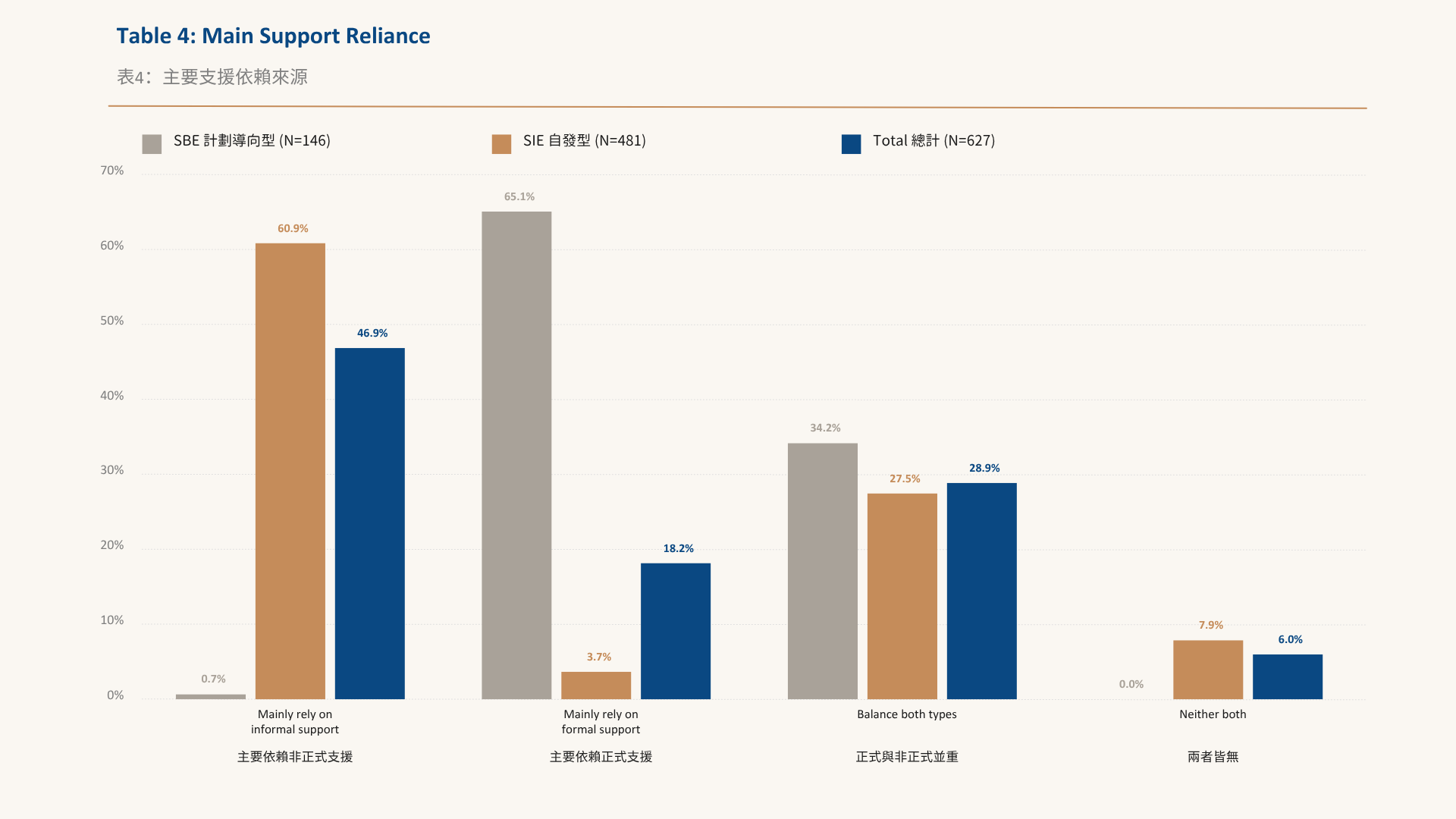
The survey findings reveal that respondents show a preference for informal support over formal institutional support. As indicated in Table 4, 46.9% of entrepreneurs mainly relied on informal support, compared with only 18.2% who mainly relied on formal support. Meanwhile, 28.9% reported receiving both formal and informal support, and 6.0% relied on neither. These results suggest that informal networks play a more central role in supporting entrepreneurs than formal systems.
A closer look at the two groups shows that self-initiated entrepreneurs were much more likely to depend mainly on informal support, accounting for 60.9%, compared with only 0.7% among scheme-based entrepreneurs. By contrast, scheme-based entrepreneurs were more likely to rely mainly on formal support (65.1%) than self-initiated entrepreneurs (3.7%). In addition, 28.9% of respondents indicated that they balanced both types of support, showing that while informal support is dominant, some entrepreneurs still combine it with formal resources.
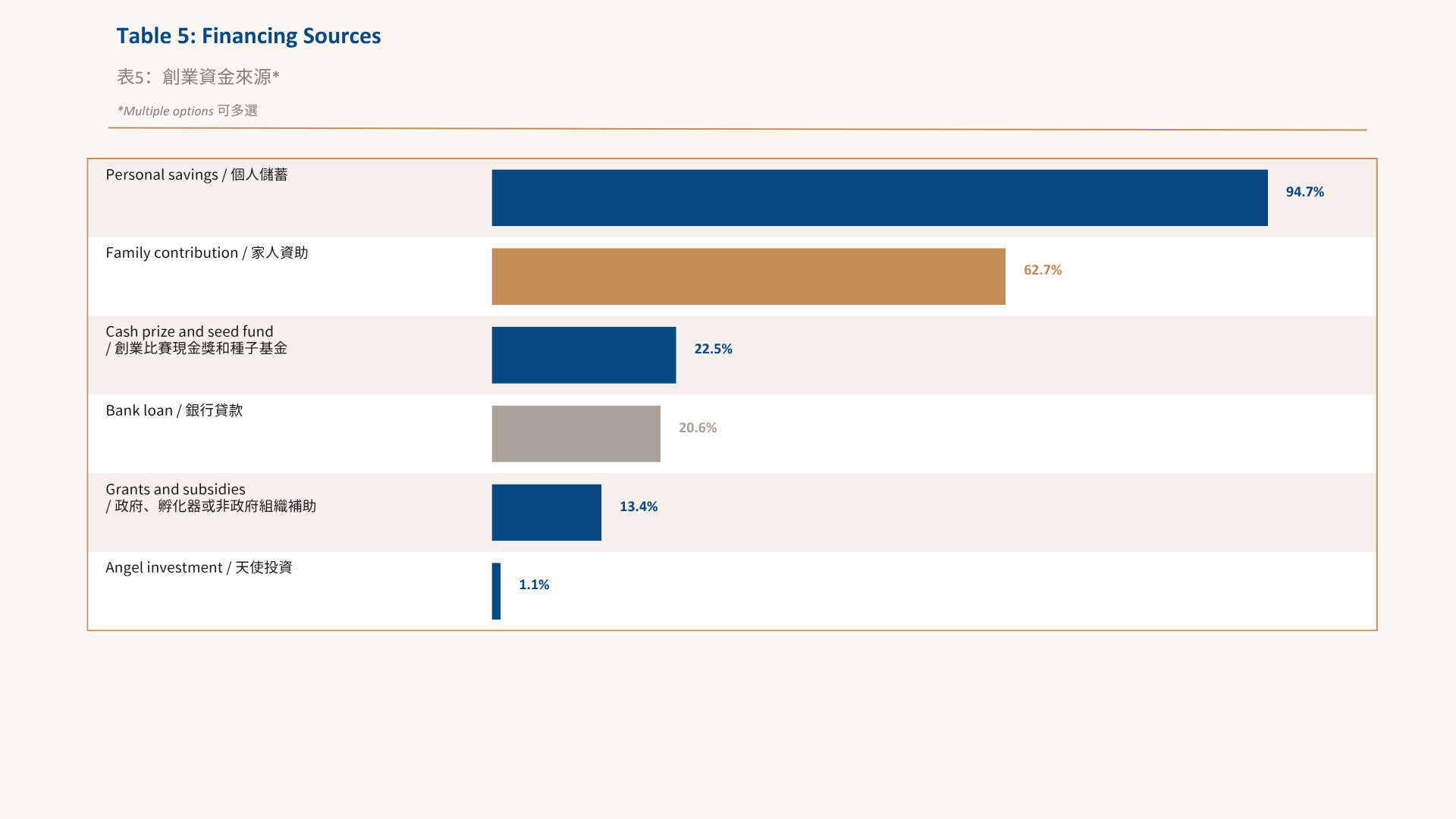
The findings on financing sources further reinforce the importance of informal support, especially at the start-up stage. As shown in Table 5, the most common source of start-up capital was personal savings (94.7%), followed by family contribution (62.7%). In comparison, more formal sources were less frequently used, including cash prizes and seed funding from entrepreneurship competitions (22.5%), bank loans (20.6%), and grants or subsidies from the Government, incubators, or NGOs (13.4%). Overall, the results indicate that informal networks are particularly important for both entrepreneurial financing and practical day-to-day support.
Interview data shows that formal and informal support systems play different but connected roles. Scheme-based entrepreneurs rely more on institutional legitimacy, grants, and incubators. self-initiated entrepreneurs rely more on former employers, personal reputation, and industry contacts.
Qualitative Summary of Theme 2
- Formal support offers legitimacy
- Informal support offers survival support
- Integration improves effectiveness
- Maintain institutional access
- Recognize peer and family roles
- Create hybrid support models
Theme 3: Non-linear Growth and Diverse Aspirations
Quantitative Data Analysis
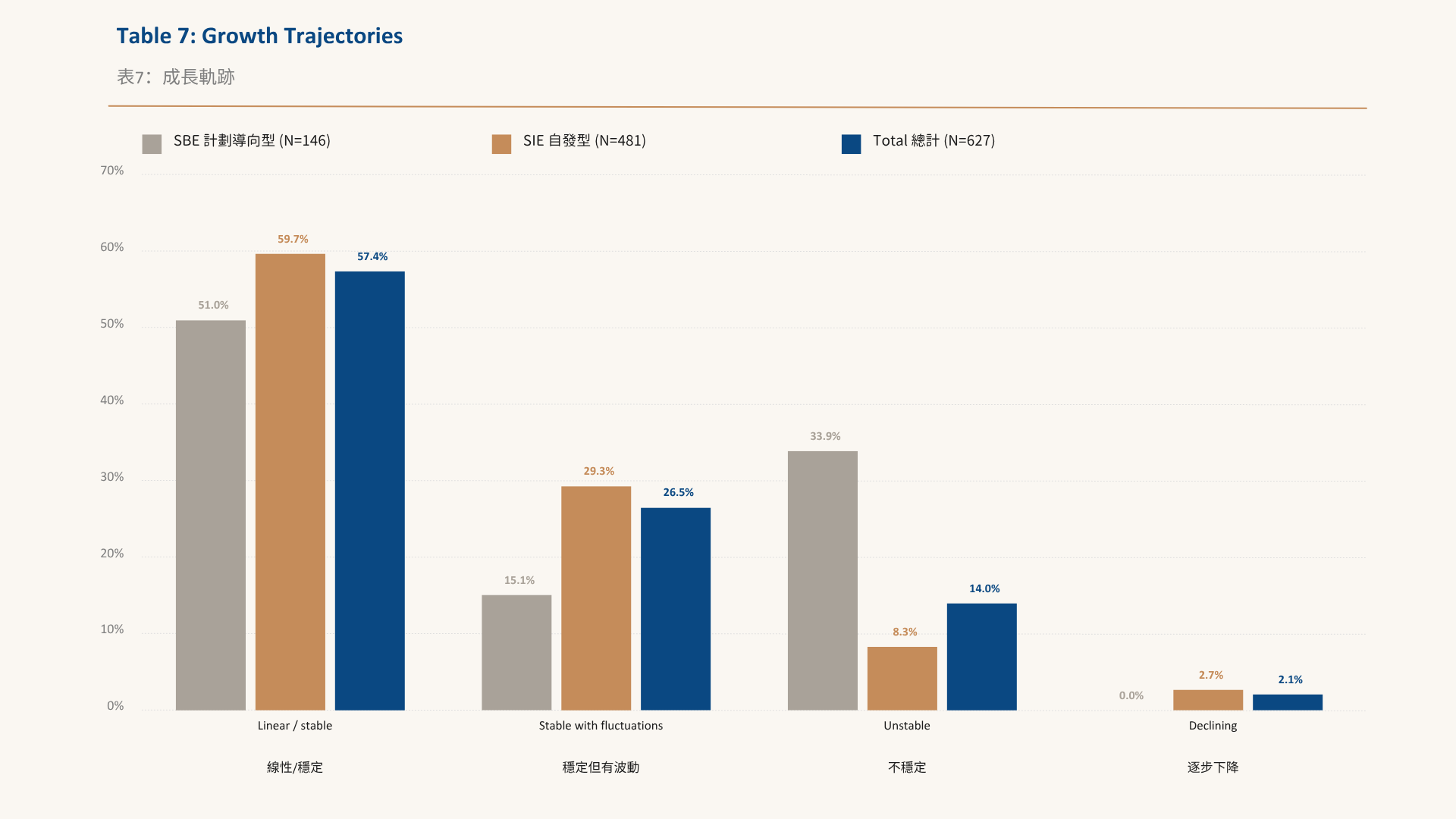
The findings show that youth micro-entrepreneurship does not follow a single or fully linear growth trajectory, although stable growth remains the most common pattern. As shown in Table 7, 57.4% of respondents reported a linear or stable growth path, while 26.5% experienced growth that was stable but accompanied by fluctuations. At the same time, 14.0% described their business trajectory as unstable, and 2.1% reported a declining pattern. A comparison between the two groups reveals notable differences. self-initiated entrepreneurswere more likely to report linear or stable growth (59.7%) than scheme-based entrepreneurs (51.0%), and they were also more likely to experience stable growth with fluctuations (29.3% vs. 15.1%). In contrast, scheme-based entrepreneurs were much more likely to report unstable growth (33.9%) compared with 8.3% among self-initiated entrepreneurs. These results suggest that while a majority of young micro-entrepreneurs experience some degree of stability, growth patterns vary considerably across different entrepreneurial backgrounds.
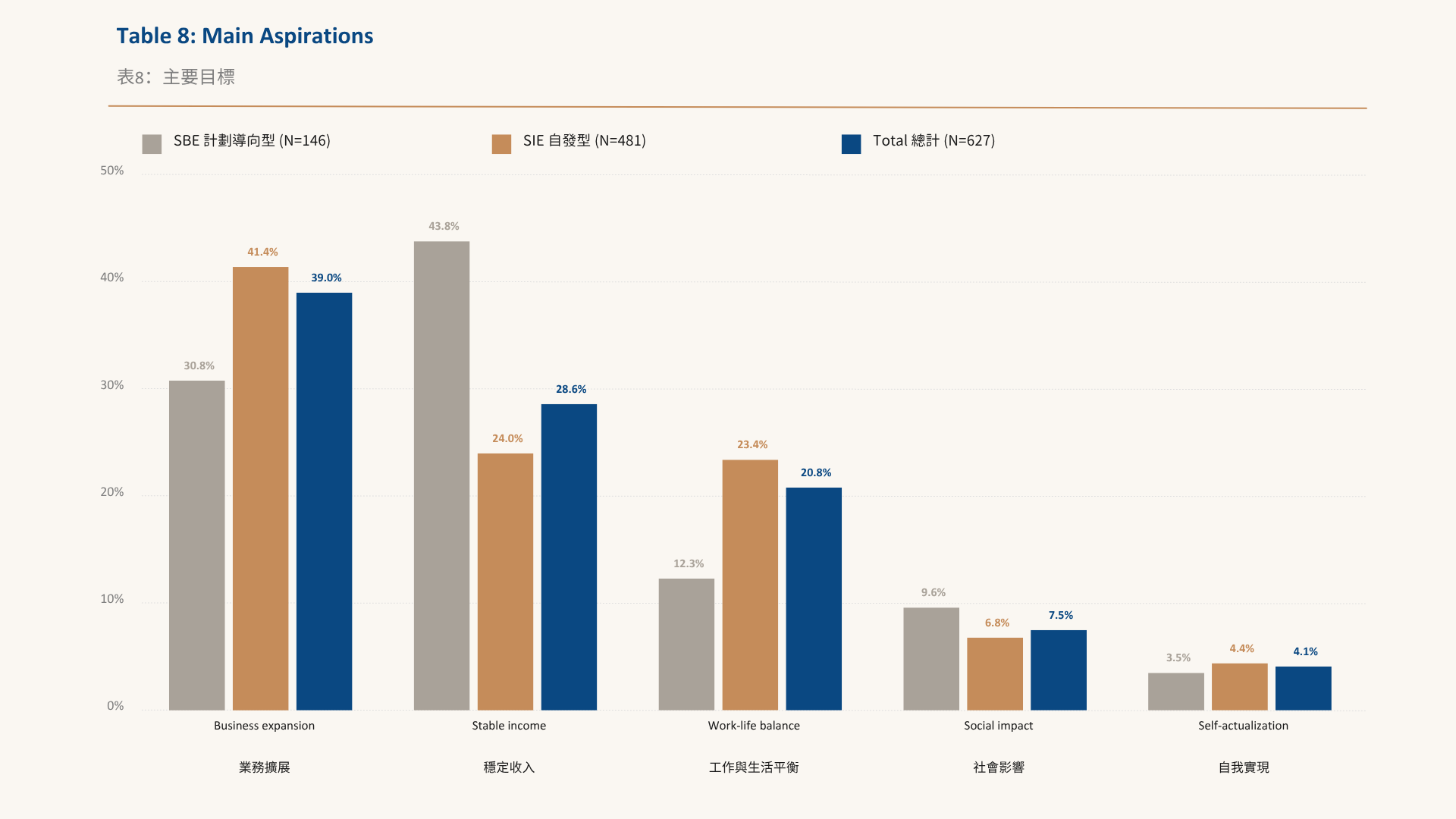
The data also indicates that success is understood in multiple ways, reflecting a diversity of entrepreneurial aspirations. According to Table 8, the most commonly reported aspiration was business expansion (39.0%), followed by stable income (28.6%) and work-life balance (20.8%). Smaller proportions of respondents identified social impact (7.5%) and self-actualization (4.1%) as their main goals. Differences between the two groups are also evident. Scheme-based entrepreneurs were more likely to prioritize stable income (43.8%) than business expansion (30.8%), whereas self-initiated entrepreneurs were more strongly oriented toward business expansion (41.4%) than stable income (24.0%). In addition, work-life balance was more frequently emphasized by self-initiated entrepreneurs (23.4%) than by scheme-based entrepreneurs (12.3%). Overall, the findings highlight that youth micro-entrepreneurs define success not only in terms of growth, but also through financial security, personal wellbeing, and broader social values.
Theme 4: Support Gaps in Non-tech Sectors
Quantitative Data Analysis
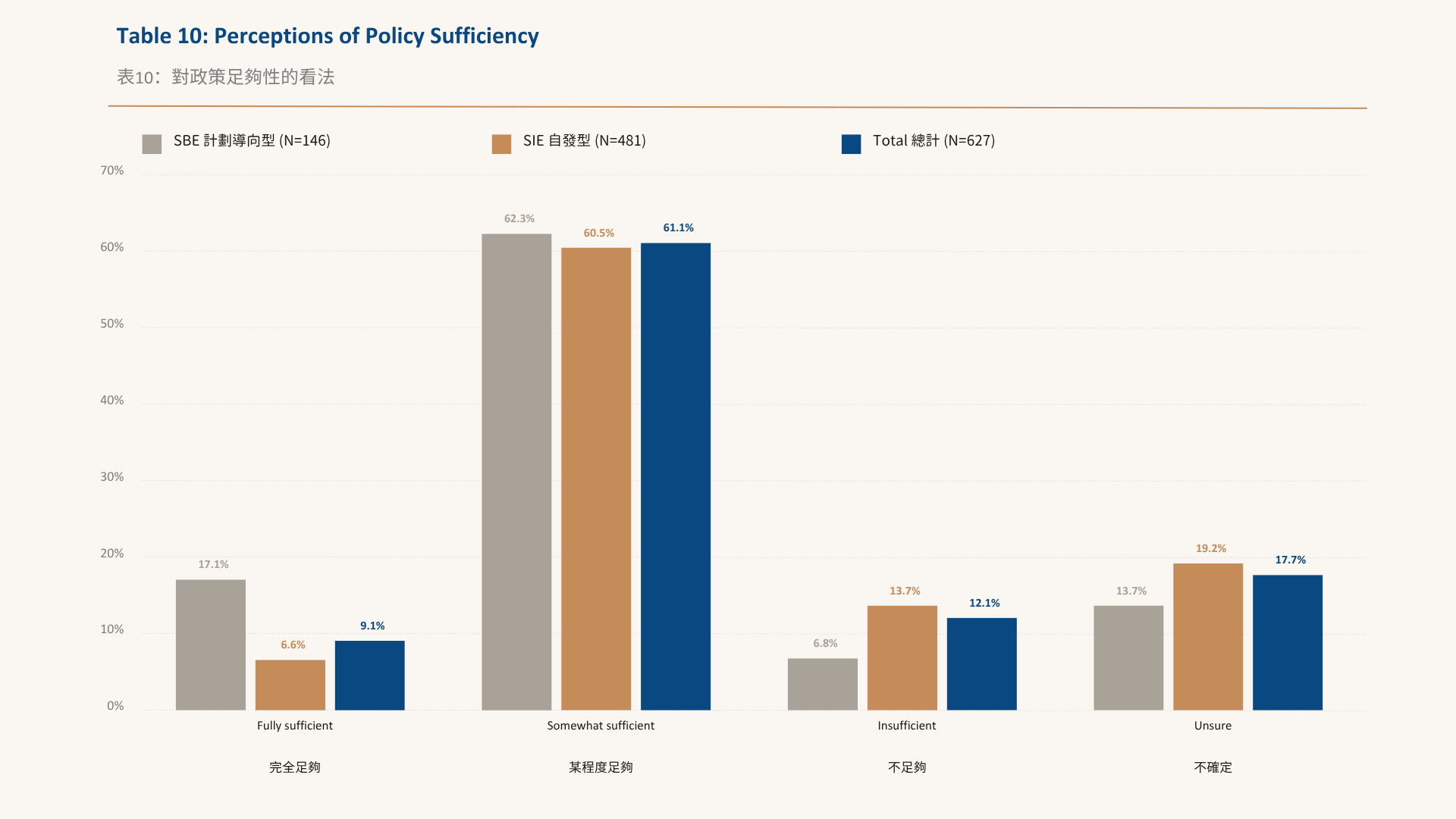
The findings suggest that respondents generally regarded existing entrepreneurial policies and support measures as at least somewhat sufficient, although clear reservations remained. As shown in Table 10, 61.1% of respondents considered current policies somewhat sufficient, while only 9.1% regarded them as fully sufficient. In contrast, 12.1% believed existing support was insufficient, and 17.7% were unsure. Differences between the two groups are also evident. Scheme-based entrepreneurs were more likely to view current policies positively, with 17.1% rating them as fully sufficient and 62.3% as somewhat sufficient, compared with 6.6% and 60.5% respectively among self-initiated entrepreneurs. Meanwhile, self-initiated entrepreneurs were more likely to consider policies insufficient (13.7% vs. 6.8%) or to be unsure (19.2% vs. 13.7%). These results indicate that although most respondents acknowledged some degree of policy support, many did not see it as fully adequate.
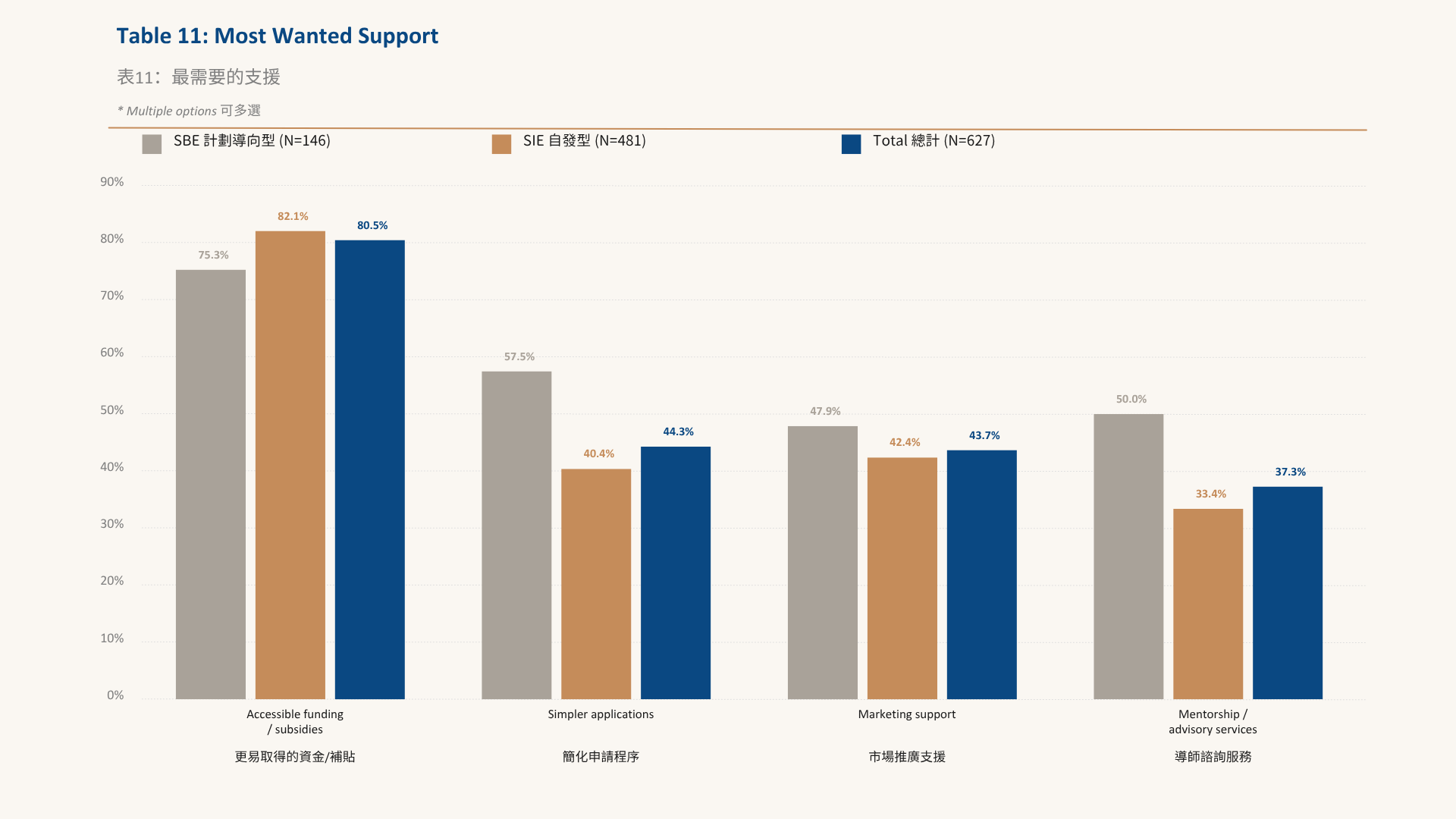
The survey also identifies a clear pattern in the types of support entrepreneurs most wanted. According to Table 11, the most frequently selected need was more accessible funding or subsidies, chosen by 80.5% of respondents, making it the most prominent demand across both groups. This was followed by simpler application procedures (44.3%), marketing support (43.7%), and mentorship or advisory services (37.3%). Group differences are again notable. self-initiated entrepreneurs expressed a stronger demand for accessible funding/subsidies (82.1%) than scheme-based entrepreneurs (75.3%), while scheme-based entrepreneurs showed greater demand for simpler applications (57.5% vs. 40.4%), mentorship/advisory services (50.0% vs. 33.4%), and slightly more for marketing support (47.9% vs. 42.4%). Overall, the findings suggest that respondents did not necessarily reject existing policies, but they strongly emphasized the need for more practical, accessible, and user-friendly forms of support.
Interview data shows that both entrepreneurs and support stakeholders perceive a strong bias toward AI, deep-tech, and innovation-labelled ventures . Non-tech businesses in retail, food, education, fashion, and community services often feel excluded from current support systems.
Qualitative Summary of Theme 4
- Tech bias is widely perceived
- Admin burden weakens support value
- Tailored guidance is lacking
- Create dedicated non-tech pathways
- Simplify reporting and procedures
- Expand sector-specific support
Theme 5: GBA Intentions and Barriers
Quantitative Data Analysis
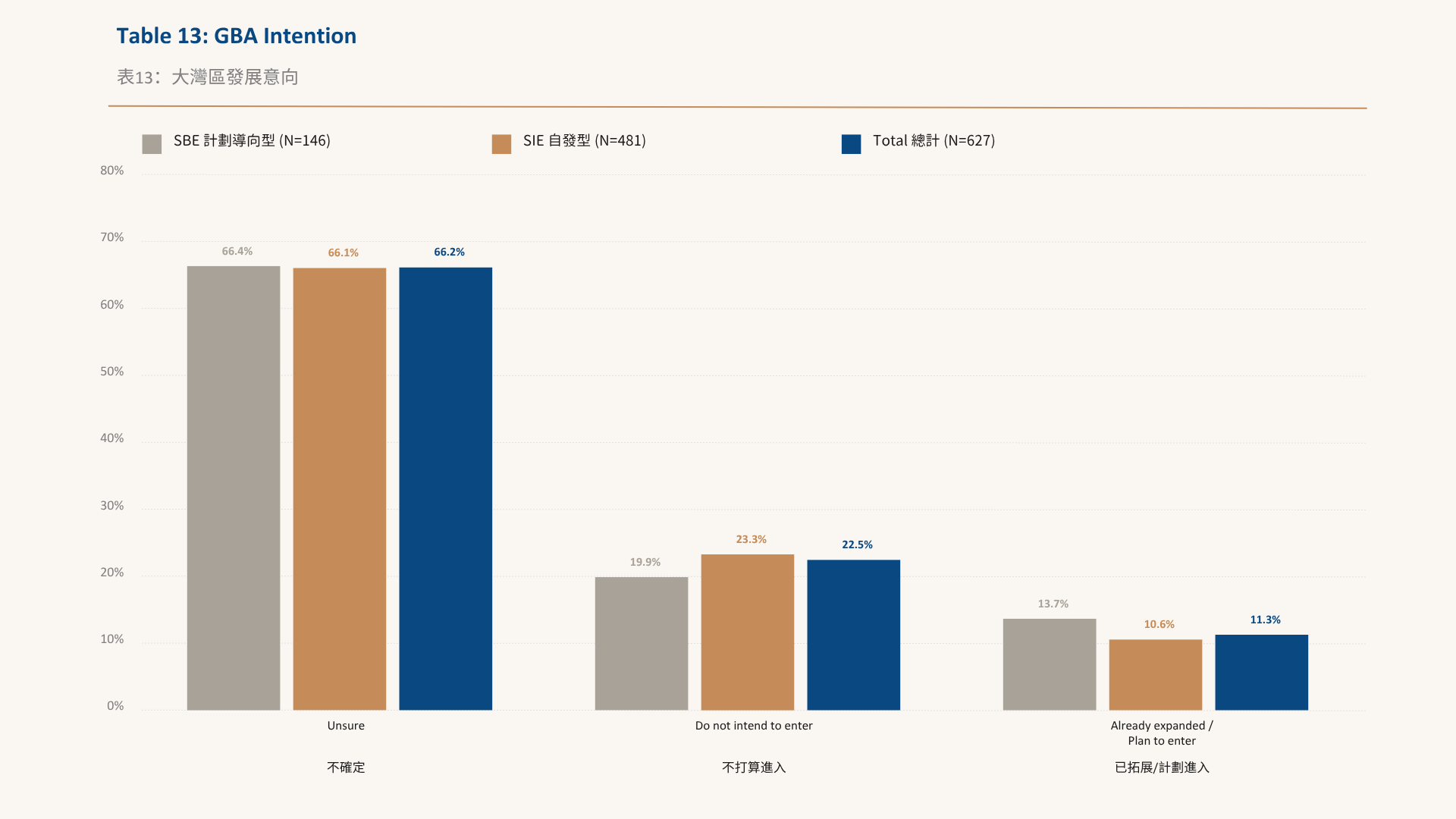
The findings show that most respondents displayed strategic hesitation toward developing their business in the Greater Bay Area (GBA). As shown in Table 13, 66.2% of respondents fell into this category, far exceeding those who did not intend to enter (22.5%) or had already expanded / planned to enter (11.3%). This pattern was similar across both groups: 66.4% of scheme-based entrepreneurs and 66.1% of self-initiated entrepreneurs expressed strategic hesitation. Here, strategic hesitation does not simply mean uncertainty; rather, it suggests a cautious and deliberate attitude in which youth micro-entrepreneurs recognize the potential of the GBA but remain reluctant to commit before conditions become clearer or more manageable.
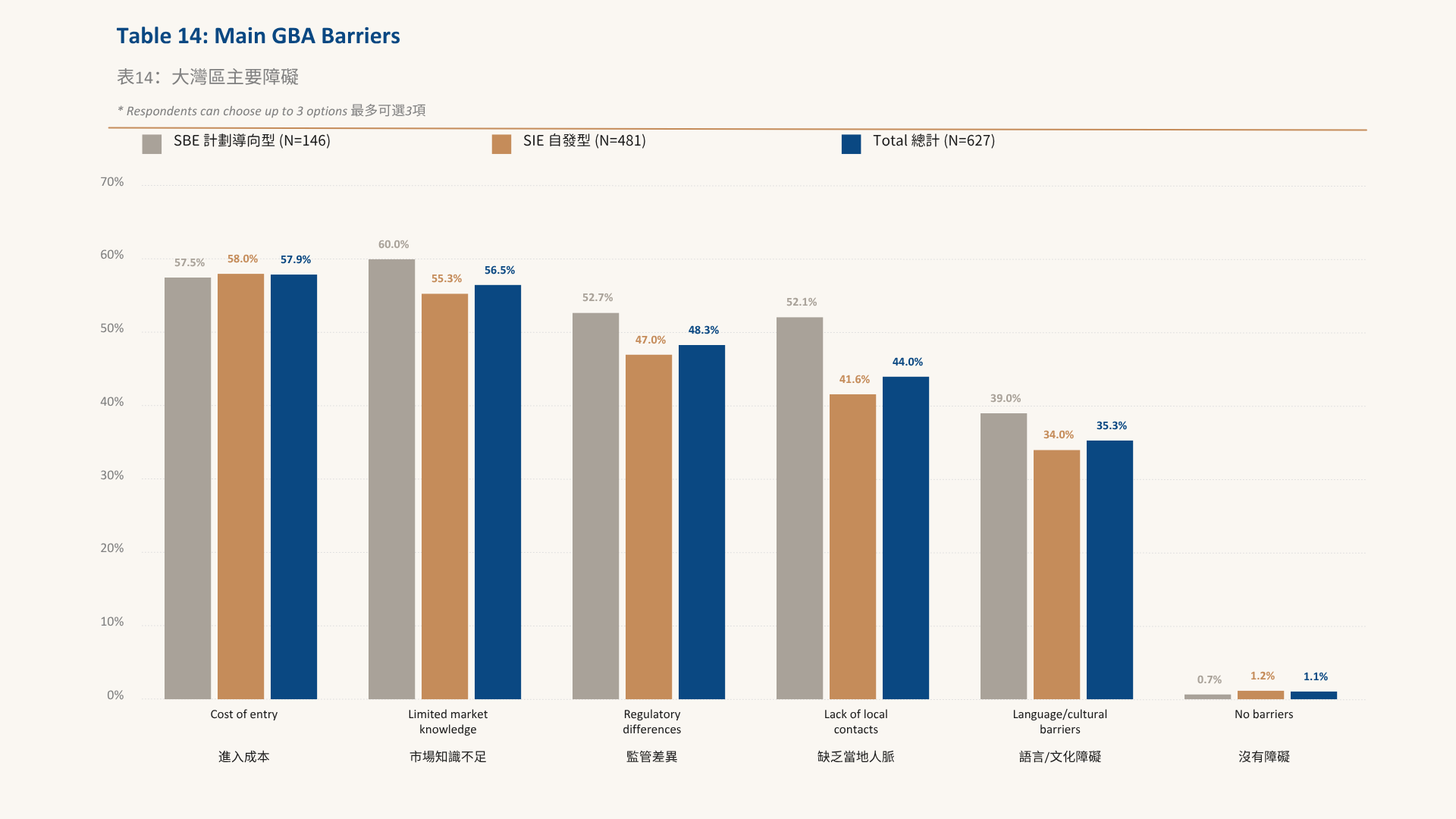
The barriers reported in Table 14 help explain this strategic hesitation. The most common obstacles were cost of entry (57.9%) and limited market knowledge (56.5%), followed by regulatory differences (48.3%), lack of local contacts (44.0%), and language/cultural barriers (35.3%). Only 1.1% reported no barriers. These findings suggest that respondents’ hesitation is not passive indecision, but a practical response to perceived risks and limited preparedness. In other words, many youth micro-entrepreneurs appear to be adopting a wait-and-see approach, holding back from GBA expansion until they have greater market knowledge, stronger networks, and more accessible conditions for entry.
Interview data shows that the GBA is seen as both a major opportunity and a high-risk environment. Entrepreneurs and support stakeholders agree that most youth do not need more promotion alone-they need practical bridges, trusted local guidance, compliance support, and network matching.
Theme 5 Qualitative Summary
- GBA is high-potential but high-risk
- Trusted local bridges are needed
- Reduce uncertainty through practical support
- Build city-specific pathways
Theme 6: AI and Youth Micro-entrepreneurship
Quantitative Data Analysis
Survey findings show that artificial intelligence (AI) is increasingly integrated into the everyday practices of youth micro-entrepreneurs. Respondents reported using AI in areas such as business planning, administrative work, content creation, and decision support.
60.3%
AI improves task effectiveness AI
57.5%
Increases confidence
56.4%
Work more independently
Interview data provides a deeper understanding of how AI functions in the daily lives of young entrepreneurs. Many described AI as an “invisible colleague” that supports idea generation, writing, organization, and routine problem-solving. For entrepreneurs with limited manpower or financial resources, AI was often seen as a low-cost supplement that helps compensate for gaps in staffing, expertise, or emotional resilience.
At the same time, informants consistently emphasized that AI has clear limitations. While it can assist with information processing and productivity, it cannot replace human judgment, emotional support, or authentic interpersonal relationships. Respondents noted that trust-building, contextual decision-making, and encouragement during difficult periods still depend heavily on real people. The findings therefore suggest that AI should be understood as a complementary support system rather than a substitute for human networks.
Youth micro-entrepreneurship is an important part of Hong Kong’s economic and social future. The evidence suggests that effective policy must move beyond a onesize-fits-all, tech-biased model and toward a more adaptive, stage-specific, and ecosystem-based framework.
Acknowledgement
This research project (Project Number: 2024.B12.009.24D) is funded by the Public Policy Research Funding Scheme of the Chief Executive’s Policy Unit, The Government of the Hong Kong Special Administrative Region (project in progress).
Disclaimer
Any information, opinions, findings, conclusions or recommendations expressed in this policy brief do not represent the views of the Government of the Hong Kong Special Administrative Region and/or the Assessment Panel.